

Trust is Society’s Memory
Trust is not something the public owes institutions. It is built—or squandered—through repeated encounters with power. In a small society, everyone may know everyone. That is precisely why the standards should be higher.
Trust is not something the public owes institutions. It is built—or squandered—through repeated encounters with power. In a small society, everyone may know everyone. That is precisely why the standards should be higher.

Coming second after an eight-year head start is an unusual basis for a victory speech. A reflection on what happens when generosity becomes an entitlement, someone else’s work becomes an institutional achievement, and the language of human flourishing provides remarkably good cover for making its structurally-vulnerable author disappear.
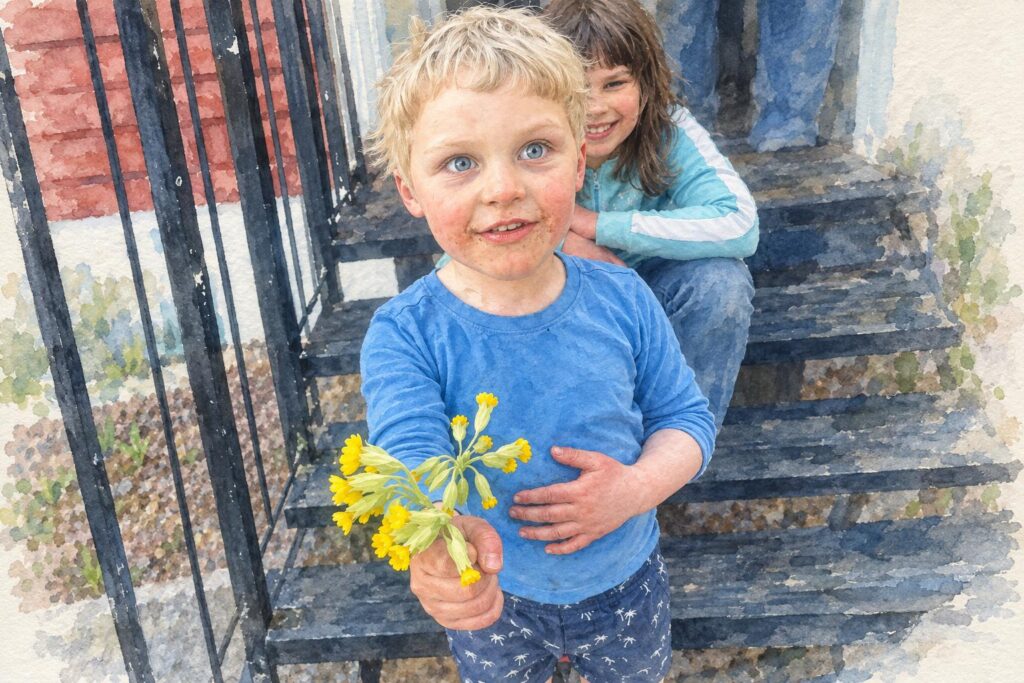
A child brings his mother cowslips. In the middle of a struggle over authorship, a small gift becomes a witness to what is rooted, what is living, and what remains one’s own.

Some years are visible only in retrospect. What looked like a series of small decisions in 2025 was really a change in direction: toward greater visibility, harder truths, and a life increasingly unwilling to make itself smaller.
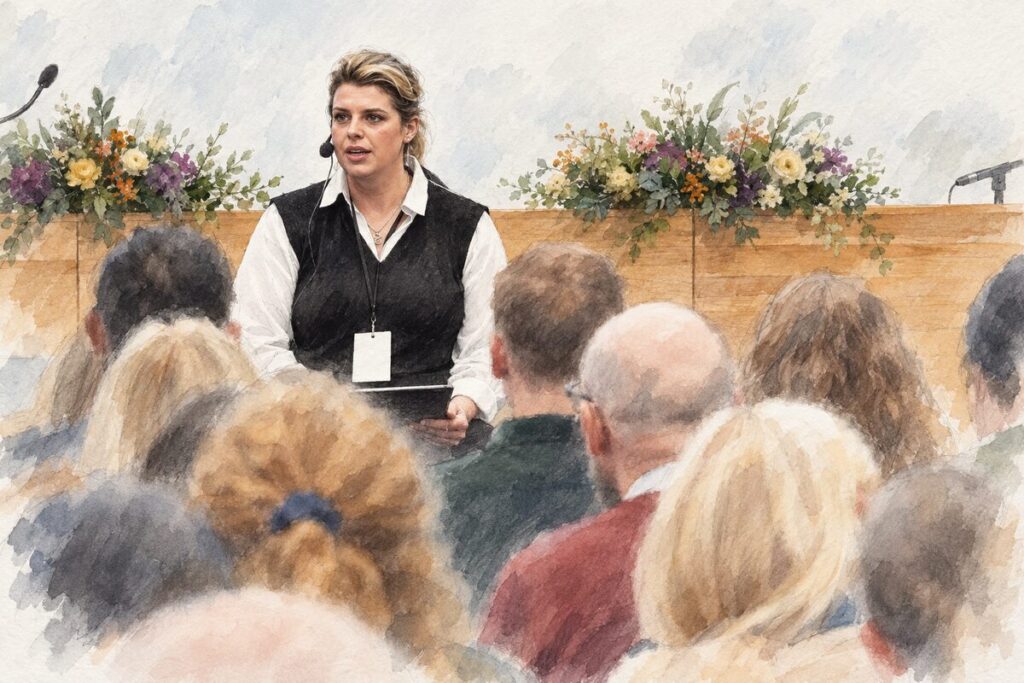
I learned Swedish, raised a family, became a citizen. Still, speaking the language did not mean being trusted with the keys. From the United States to Sweden and Åland, a story of belonging, exclusion, and what a society must do to deserve the people who choose to stay.