Social Icons
Background image: Alyssa Bittner-Gibbs Background image: Alyssa Bittner-Gibbs

The map is unfinished.

Luckily, so are we.

It is shaped by the worlds we inherit, the institutions we build, and the conditions we create for one another. But also by things smaller and harder to classify: a child’s question, a form that assumes the wrong kind of life, a decision made in a room we were not in, a line from a poem that will not leave us alone.

This is where I follow those threads.

I write about politics, power and public institutions; about human flourishing and what makes it possible; about democracy, legitimacy, belonging and who gets to shape the conditions everyone else must inhabit. I also write about migration, family and home; Åland and the wider world; books, poems and the occasional institutional absurdity.

Sometimes the result is an essay. Sometimes it is satire. Sometimes it is a note written down before the thought escapes.

I am interested in the moments when large systems become personal: when policy enters the kitchen, when a budget decision alters a family, when culture settles around a child, when an institution’s beautiful promise meets the person expected to live inside it. And in the reverse: the ordinary experience that reveals a structure more clearly than its official explanation ever could.

Some pieces begin with research. Others begin with irritation, affection, bewilderment, or something overheard that does not quite add up.

The map will change.

For now, it records where I have been, what I can see, and what I am still trying to understand.

Hello, Darkness, My Old Friend

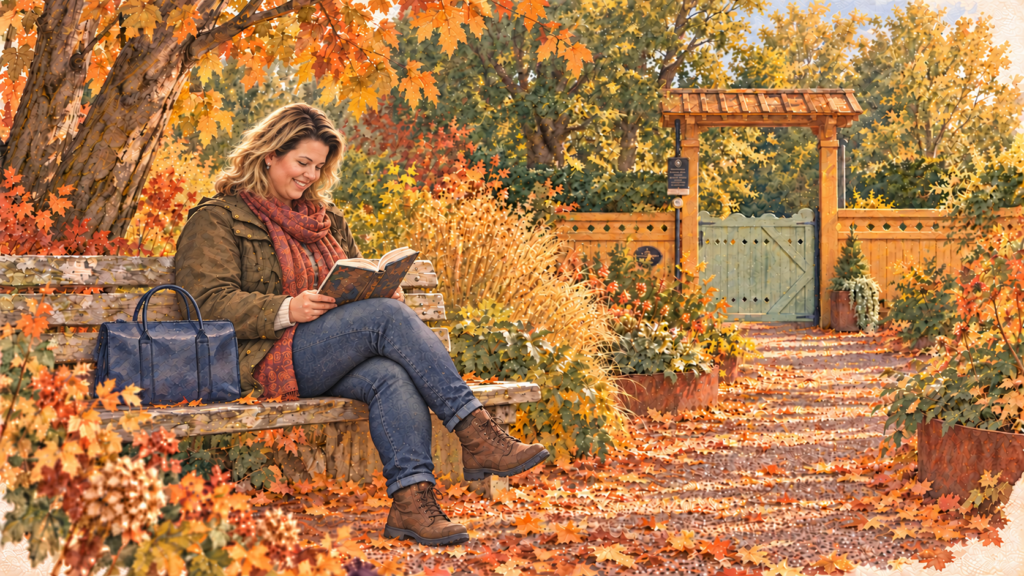
I like living in Åland. November would prefer I prove it. The sun has reduced its involvement, my children have demolished their Halloween candy, and the weather has ruled out sending them outside to burn it off. Thirteen years after leaving America, I still miss the shared anticipation of Thanksgiving. I am grateful for the life I’ve made here. I simply have questions about how much gratitude can reasonably be expected under these lighting conditions.

Everyone Can Wait

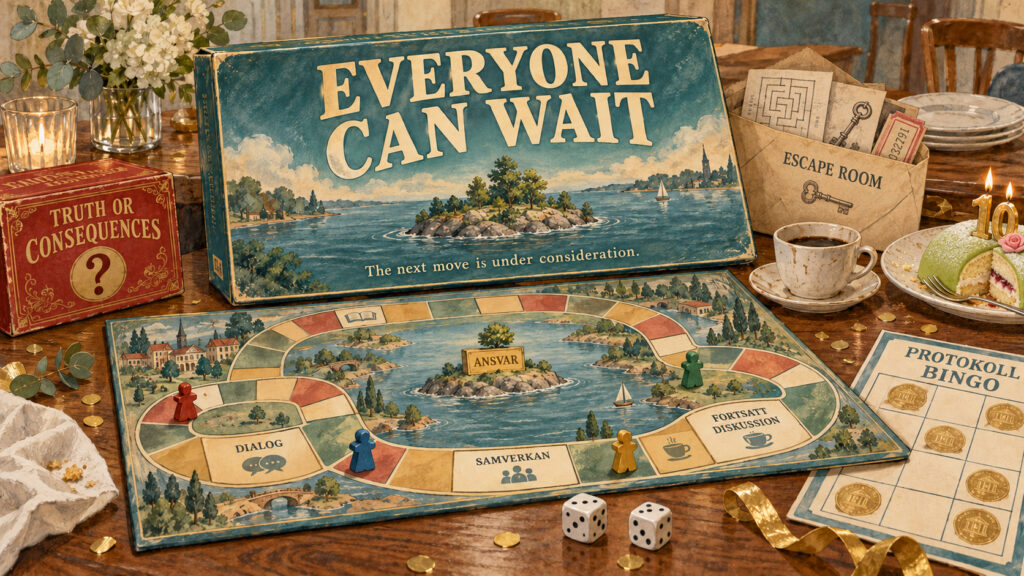
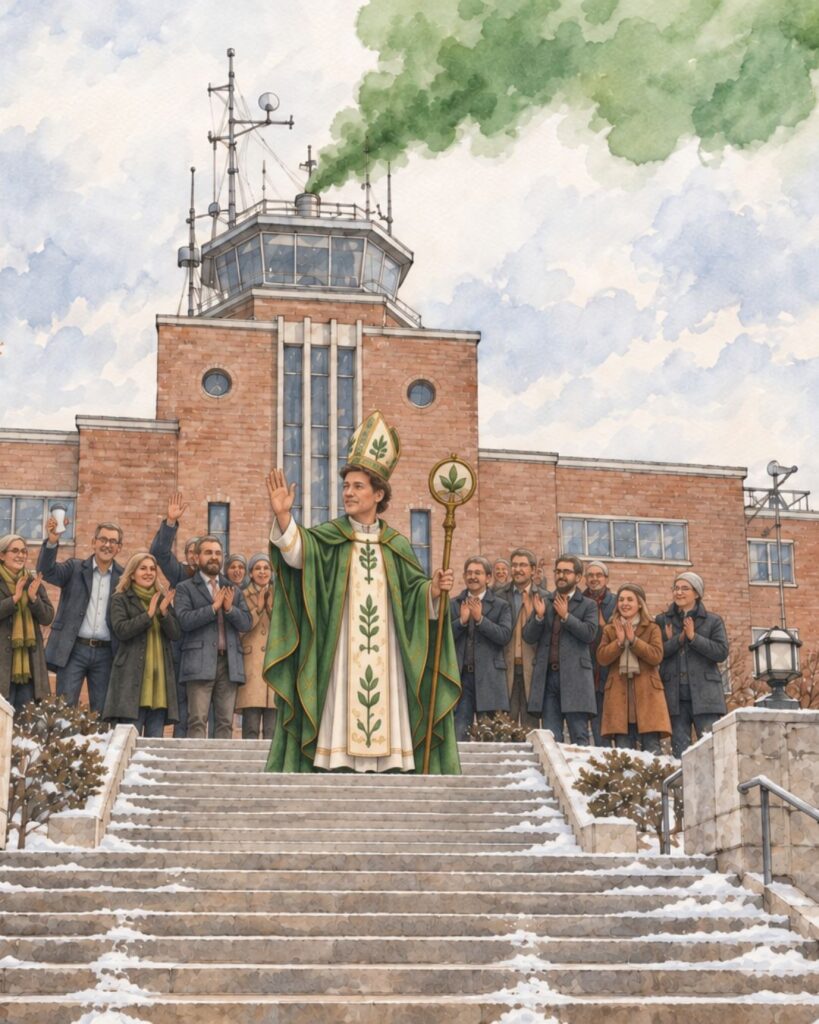
I have spent the week complying with deadlines, that quaint arrangement in which a date arrives and something is expected to be finished. Public writing had to take a back seat. Having finally resurfaced, I turned to the Sustainability Council’s anniversary minutes and discovered an altogether more accommodating relationship with unfinished business. In the party games of public participation, everybody can be involved without necessarily being allowed to interfere with anything. After ten years, the interesting question is what membership enables people to change, beyond their afternoon plans.

What the Water Knows

There are people whose ethos reach us through a sentence, from many miles away, long after they claimed it. Since this summer, Wendell Berry has been keeping me company. Others may leave a garden, a footpath, a stubborn patch of green that might so easily have become something else. In today’s world, we may struggle to remember that we inherit more than what has gone wrong. We also inherit what humans before us loved enough to keep. So with Berry in mind, I’m trying to think more about life’s quieter bequests. The places that still make room for us. The words that arrive at just the right time. The care we never witnessed, but whose consequences we are able to enjoy. What would it mean to recognise this inheritance while it is still alive, and leave something living in return?

The Last Known Address

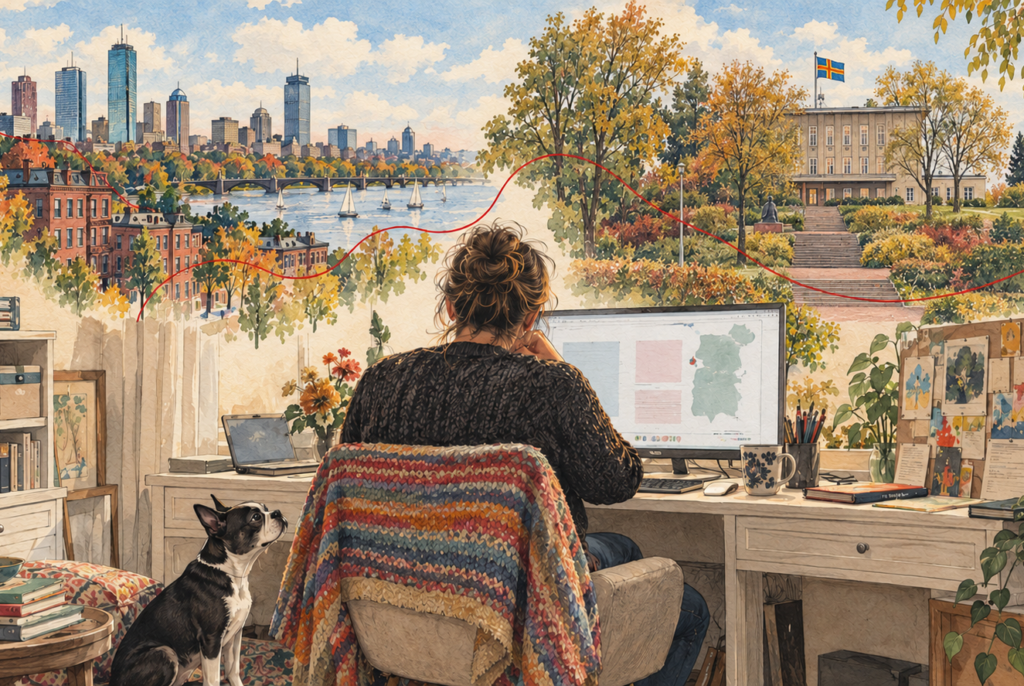
Thirteen years and an ocean separate me from Massachusetts, yet somewhere in its democracy there is still a place for my voice. I no longer live with the consequences of its elections, but I cannot separate myself from the history that made my vote possible. Between the women who fought to be heard and the country I have learned to call home from afar lies a question of citizenship, conscience, and belonging: what do we owe the places we have left, and what do we owe the people whose struggles made our choices possible?

The Right Kind of Different

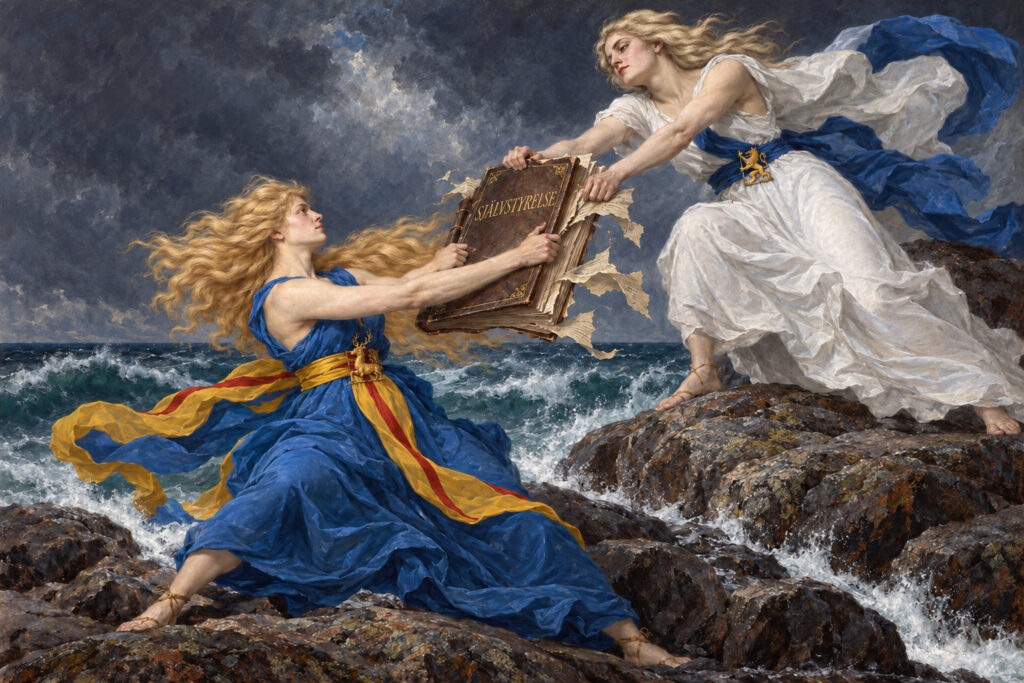
A century ago, Åland’s future was settled through a promise: that peace could protect difference, and that power could be bound by obligations. People have built lives inside that promise. We still do. Its worth is measured in the language our children can live in, the rights we can rely on, and the dignity of being heard by those who govern us. In Eetu Isto’s The Attack, Finland defends her law book against an empire. The artwork accompanying this essay asks what happens when she finds herself on the other side of the struggle. From Helsinki to Mariehamn, we know what it means to ask power to keep its word. We must carry that knowledge with us when the power is ours.

Everyone Can Agree

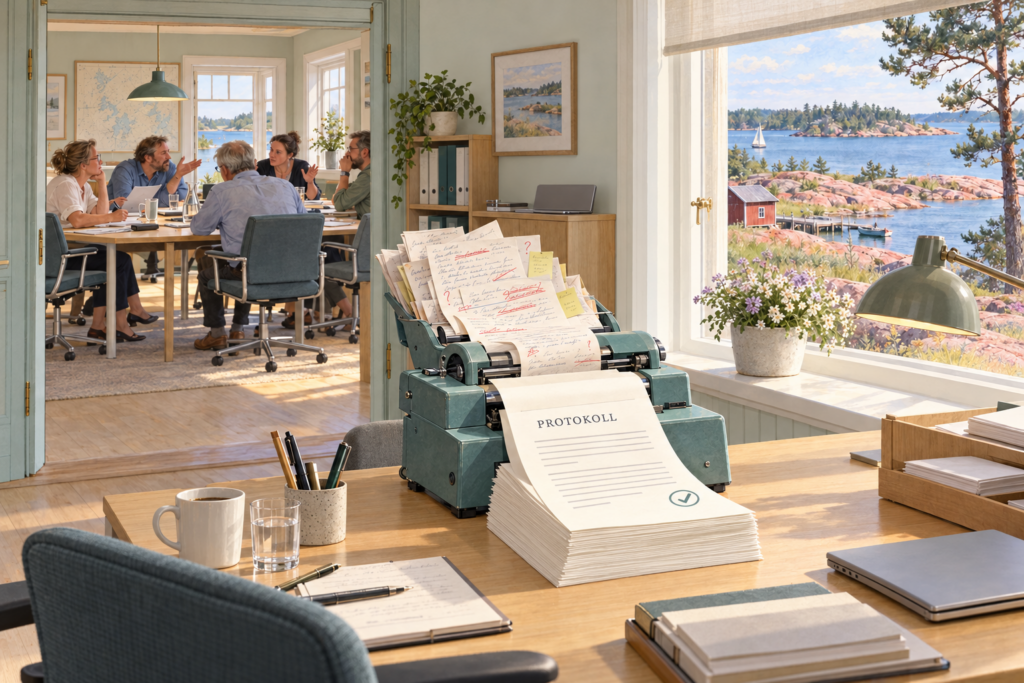
Ten years of planning the future. Three weeks—and counting—to put one afternoon on the record. Following Minna Hellström’s criticism on Ålands Radio, a little protokoll bingo opens onto a larger question about power, institutional comfort and what happens to criticism after everyone has been thanked for contributing. The paperwork has done its ten thousand steps. Power has not left its chair. What, precisely, is being sustained?

Wonder at First Sight

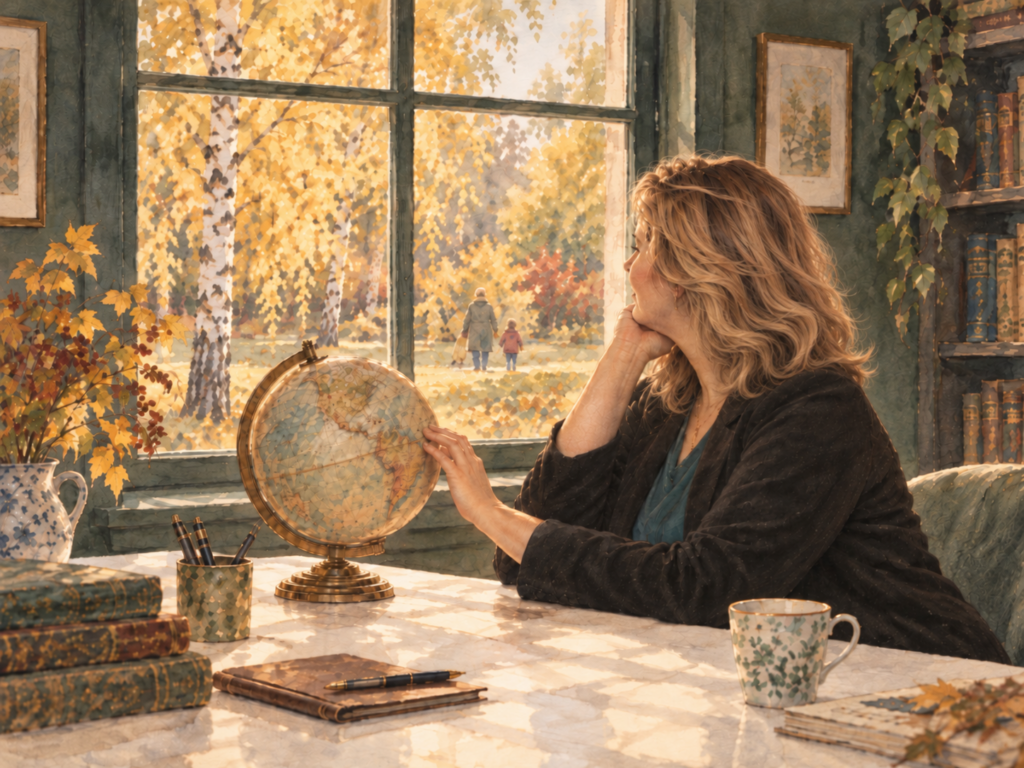
Perhaps the strangest thing about making a home somewhere is how quickly the extraordinary becomes ordinary. The landscape fades into the commute. People become their roles. Institutions become explanations for themselves. Then someone arrives with an unfamiliar accent, an impertinent question, or delight in something you had stopped noticing—and the world briefly returns in full colour. Such encounters aren’t always comfortable. They may restore something we love; they may change what we can bear to overlook. But I have never wanted belonging purchased at the price of seeing less.

Same As It Ever Was

I went looking for the history of ÅHS and found a repertory company. Think Ålandic Blackadder, with more organisational charts and a remarkably durable cast. Doctors become politicians. Journalists become board members. Each decade brings a change of wardrobe and a cunning plan to resolve the difficulties created by the previous cunning plan. Hippocrates and Montesquieu are summoned to an argument neither lived long enough to regret attending. The lawyers get repeat business. The rest of us get another premiere. Somewhere beneath it all lies a question we have been reorganising for thirty years: how do you get an institution full of people who know better to work better together?

Everyone Can Advise

I may be the only person on Åland untroubled by the missing job advertisement. Why make strangers audition for an occupied chair? What interests me is the resources attached to it, the council assembled to bless it, and the difference between being allowed to do something and exercising good judgment. The recruitment theatre was cancelled. The coronation appears to have gone ahead.

Alyssa Bittner-Gibbs

I work from first question to finished form.

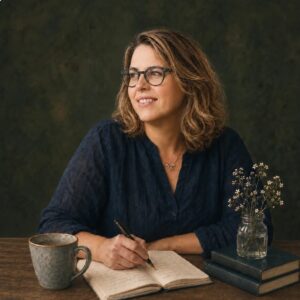
I am Alyssa Bittner-Gibbs, an American-born new-Swedish writer and political scientist based in the Åland Islands. My work moves between research, public institutions, civic life and public argument.

I write essays, reports, white papers, speeches and other long-form public texts. I analyse policy and institutions, synthesize research, develop projects from an early idea into a coherent structure, and shape complex material for decision-makers, funders and wider audiences.

I am especially useful when a subject is important, complicated, politically sensitive or still resisting the available language. Sometimes there is too much material and no visible structure. Sometimes an organisation has an ambition but has not yet worked out what it means in practice. Sometimes the polished public story and the underlying reality no longer match.

My work centres on governance, sustainability and human flourishing: how institutions earn trust, how people come to belong, how authorship and accountability are protected, and how public ideals become lived conditions. I have pursued these questions through work in education, migration and integration, environmental sustainability and civil society.

My native language is English. I also work professionally in Swedish and translate Swedish material into English. I bring analytical discipline to creative work and a writer’s ear to institutional work, finding the structure, building the argument and producing language people can understand, trust and use.