
Social Icons
Background image: Alyssa Bittner-Gibbs Background image: Alyssa Bittner-Gibbs

Everyone Can Wait

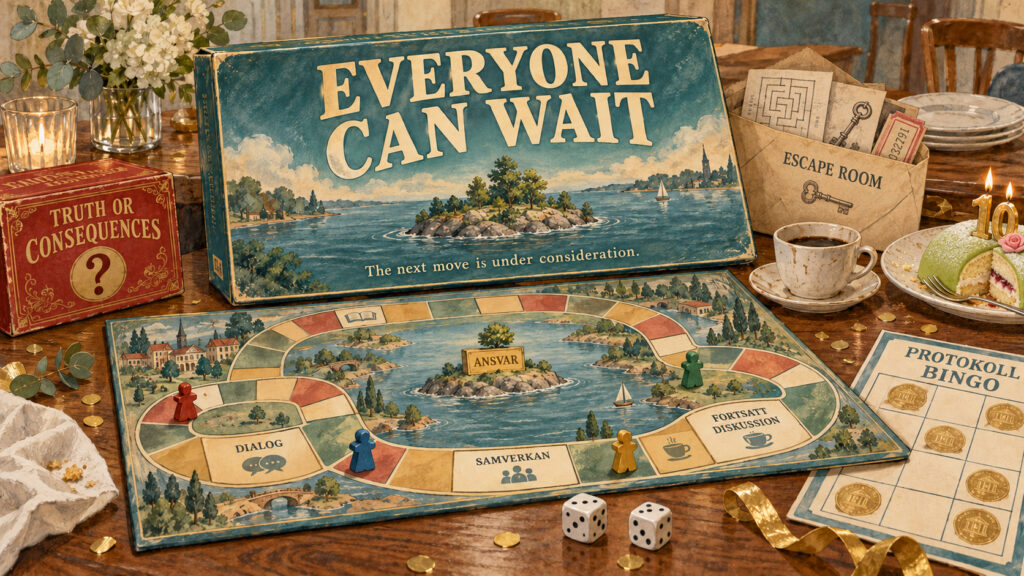
I have spent the week complying with deadlines, that quaint arrangement in which a date arrives and something is expected to be finished. Public writing had to take a back seat. Having finally resurfaced, I turned to the Sustainability Council’s anniversary minutes and discovered an altogether more accommodating relationship with unfinished business. In the party games of public participation, everybody can be involved without necessarily being allowed to interfere with anything. After ten years, the interesting question is what membership enables people to change, beyond their afternoon plans.

What the Water Knows

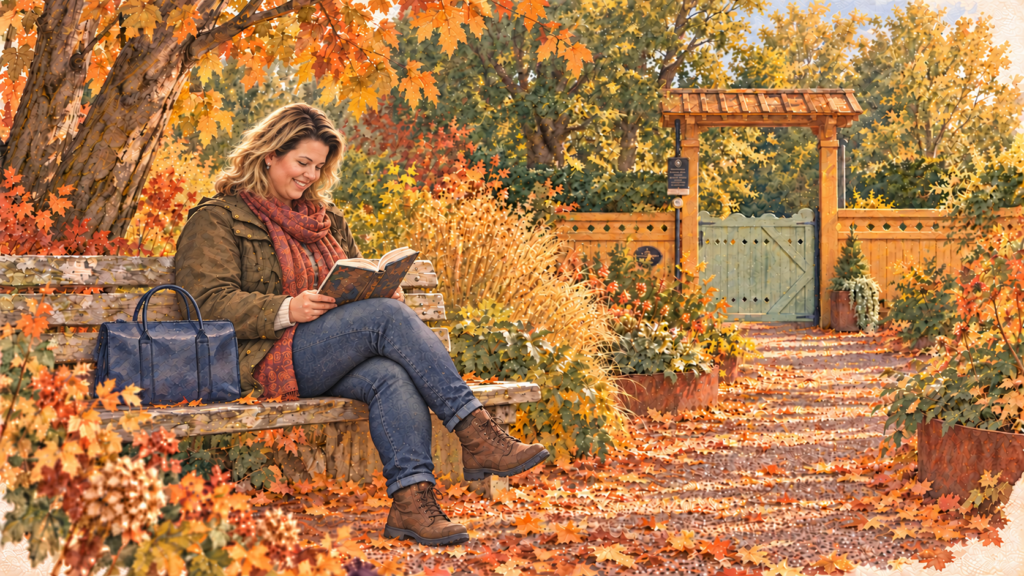
There are people whose ethos reach us through a sentence, from many miles away, long after they claimed it. Since this summer, Wendell Berry has been keeping me company. Others may leave a garden, a footpath, a stubborn patch of green that might so easily have become something else. In today’s world, we may struggle to remember that we inherit more than what has gone wrong. We also inherit what humans before us loved enough to keep. So with Berry in mind, I’m trying to think more about life’s quieter bequests. The places that still make room for us. The words that arrive at just the right time. The care we never witnessed, but whose consequences we are able to enjoy. What would it mean to recognise this inheritance while it is still alive, and leave something living in return?

The Last Known Address

Thirteen years and an ocean separate me from Massachusetts, yet somewhere in its democracy there is still a place for my voice. I no longer live with the consequences of its elections, but I cannot separate myself from the history that made my vote possible. Between the women who fought to be heard and the country I have learned to call home from afar lies a question of citizenship, conscience, and belonging: what do we owe the places we have left, and what do we owe the people whose struggles made our choices possible?

The Right Kind of Different

A century ago, Åland’s future was settled through a promise: that peace could protect difference, and that power could be bound by obligations. People have built lives inside that promise. We still do. Its worth is measured in the language our children can live in, the rights we can rely on, and the dignity of being heard by those who govern us. In Eetu Isto’s The Attack, Finland defends her law book against an empire. The artwork accompanying this essay asks what happens when she finds herself on the other side of the struggle. From Helsinki to Mariehamn, we know what it means to ask power to keep its word. We must carry that knowledge with us when the power is ours.

Everyone Can Agree

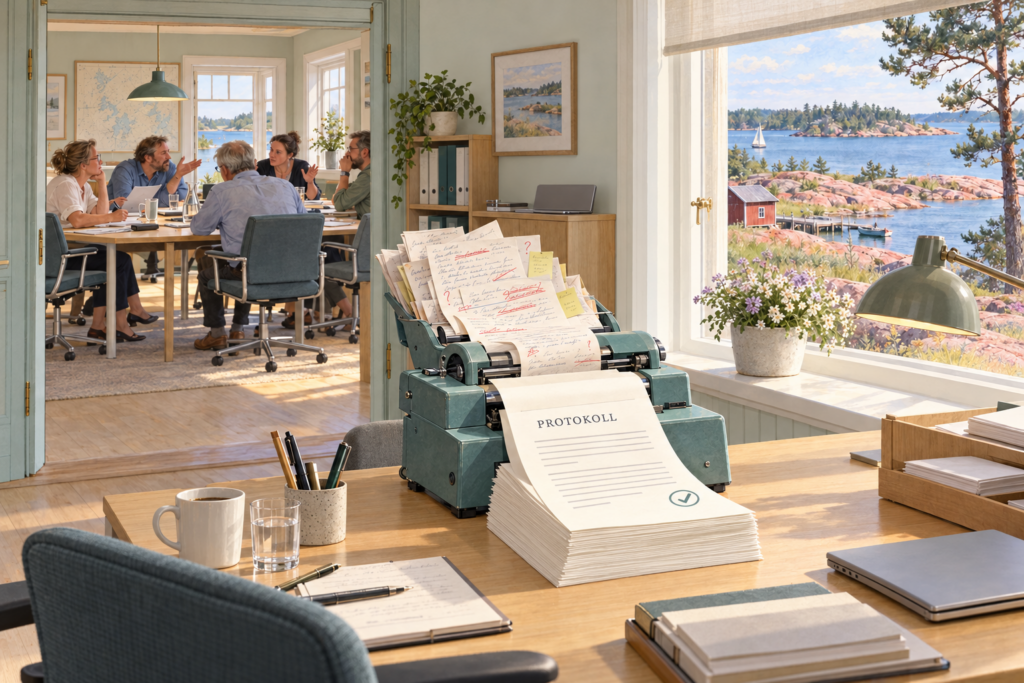
Ten years of planning the future. Three weeks—and counting—to put one afternoon on the record. Following Minna Hellström’s criticism on Ålands Radio, a little protokoll bingo opens onto a larger question about power, institutional comfort and what happens to criticism after everyone has been thanked for contributing. The paperwork has done its ten thousand steps. Power has not left its chair. What, precisely, is being sustained?