

On November, the absolute shittiest month in the Nordics
I said what I said.
And I say this with affection for this region and considerable experience of its calendar.
October comes with colour, a certain dramatic conviction and an increasingly popular holiday involving candy and pumpkins as its encore. December starts recruiting us early, with lilla jul, cosy weekends, glögg, lights, Christmas markets and an international mascot dedicated to the distribution of presents.
Here in the Nordics, November has a wet sleeve.
You leave the house in the dark and return in the dark. Somewhere between the two, there was allegedly a day. And the light will keep retreating for another seven weeks. This is still the introductory offer.
It is cold enough to be unpleasant without reliably being cold enough for snow, which strikes me as poor planning. If the world insists on becoming inhospitable and grey, it could at least add some white.
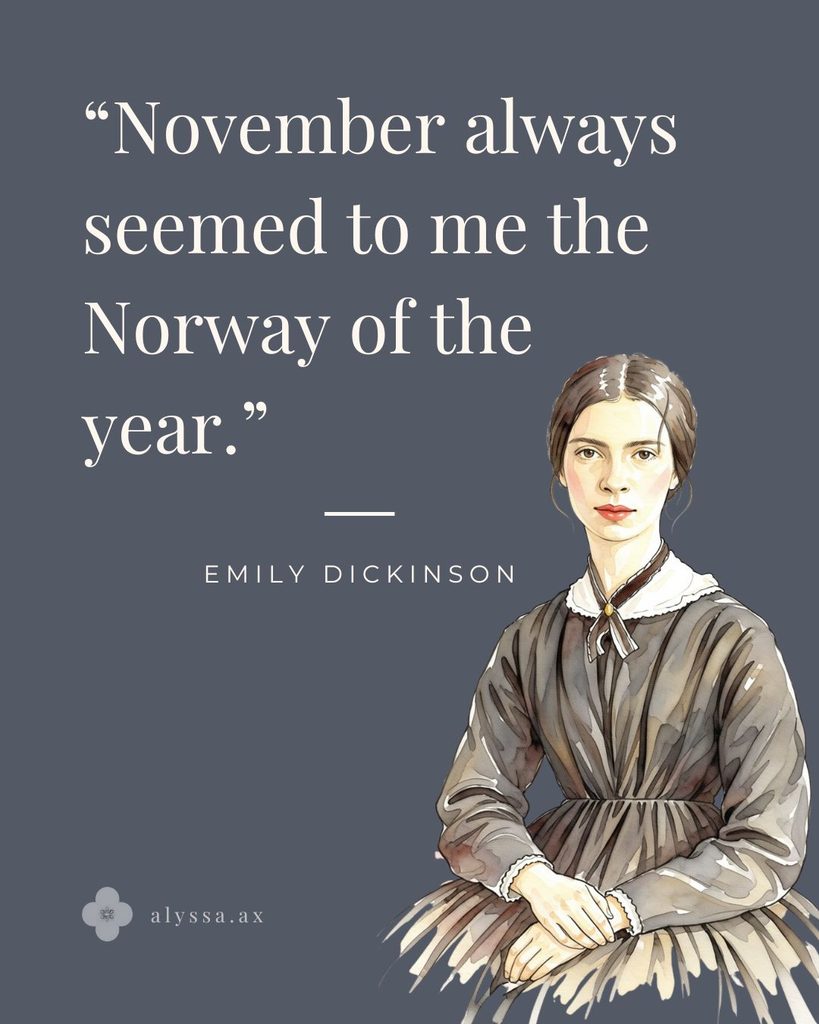
I grew up among the ridges and valleys of Pennsylvania, where autumn does its thing with extravagance and splendor. Here, there are rather a lot of yellow birch leaves. I have nothing against a yellow birch. I would simply welcome some competition from red maples, pin oaks and sugar maples. Could the ever so affable Canadians make a donation to Finland?
An American in November
Being American makes matters worse. We are built to enter November with enough Halloween candy to sustain a household through a siege, then recover around an enormous turkey. We launch the holiday season with parades, American football games, and a bombardment of Christmas marketing. This year makes 100 years for the parade.
My childhood Halloween candy supply arrived in a heavy pillowcase, two if it was a really good year. I do not have the heart to tell my children how badly they have been cheated. On the other hand, my four-year-old twin sons found their candy hoard, rampaged through it and are now running through the house at full volume. Today’s windy, grey outdoors is utterly unappealing.
It is gonna be a long day.
Then there is the frozen, eye-wateringly expensive turkey. Americans, you do not even want to ask.
Thanksgiving is my favorite American holiday: no gifts to buy, no shared faith required, just favorite dishes, friends and family around a table. Anyone can participate.
On Åland, it is simply Thursday.
Inside me, November is still moving towards Thanksgiving. There should be anticipation gathering around a whole day devoted to food, company and a highly optimistic assessment of how many side dishes are necessary. The occasion has room for affection and irritation at the same table, which strikes me as a fairly accurate account of family life.
These days, there are strongly held political opinions on every side of that table. I remember the old days when one just argued about dark meat versus white meat or the culinary appropriateness of marshmallows on yams.
Everyone keeping their mouth full helps.
Truth loves a BOGO sale
Once I was scolded by someone here for celebrating Thanksgiving because of its history. It might interest you to know that the Mashpee Wampanoag’s Old Indian Meetinghouse Committee hosts an annual Native American Thanks Giving and welcomes the public. The organisers of the National Day of Mourning explicitly distinguish a harvest festival from the Pilgrim mythology they oppose. Giving thanks and challenging that mythology are hardly mutually exclusive activities.
Those inclined to scold might first listen to the Indigenous people whose history they are invoking.
There is room at the table to remember the early alliance and cooperation, the Wampanoag generosity that made survival possible, and the colonial violence and dispossession that must also be remembered. We can tell the truth about colonisation and honor Indigenous activism while also gathering people, sharing food and giving thanks. They are rather useful habits to carry into a dark month in dark times, where many struggle to accept difference.
So while we are debunking the mythology of Thanksgiving, we might also debunk the comforting European mythology that American racism was somebody else’s invention. Europe’s religious persecution helped put those settlers on the ships in the first place. Any of its present-day moral commentators might usefully begin the history there.
Racial hierarchy crossed the Atlantic under European flags long before there was a United States to blame. It remains an enduring export.
Even truth can have a two-for-one offer. Before Black Friday, even.
The Other Side of Summer
If January is the New Year’s baby and December the old man, November is the year beginning to feel its age. In June, he could stay up all night. Now he is tired by three and something in his knee has begun predicting the weather. October dressed him magnificently for a final outing. December will give him a white beard and a seat by the fire. November is the damp interval in which he discovers his increasing decrepitude while everybody expects him to get on with it anyway and stop bitching.
I can sympathise. He remembers summer perfectly well.
November is the price we pay for glorious June and July. The long evenings, the water holding the light, the peculiar freedom of looking at the clock and discovering that the day has somehow continued without consulting it. Going indoors on a summer night on these islands can feel like leaving a conversation before the interesting part. You finish what had to be done and still find a little world waiting for you outside.
I remember what I received. I simply reserve the right to query the bill.
Puppies as National Infrastructure
As the Swedish adage goes:
No bad weather, only bad clothes.
Fjällräven has yet to craft a coat that supplies another three hours of daylight.
The locals have complaints of their own. Even now on social media, many are looking for the best price on firewood, somewhere affordable to change their tyres, and an opportunity to complain that it has suddenly become cold. There are reminders to wear reflectors. Learning to complain about the weather may be one of the more accessible forms of integration.
This past winter, a season that lingered well into spring, they complained more than ever. You know a winter has been bad when the people born and raised here start sounding personally betrayed by its existence.
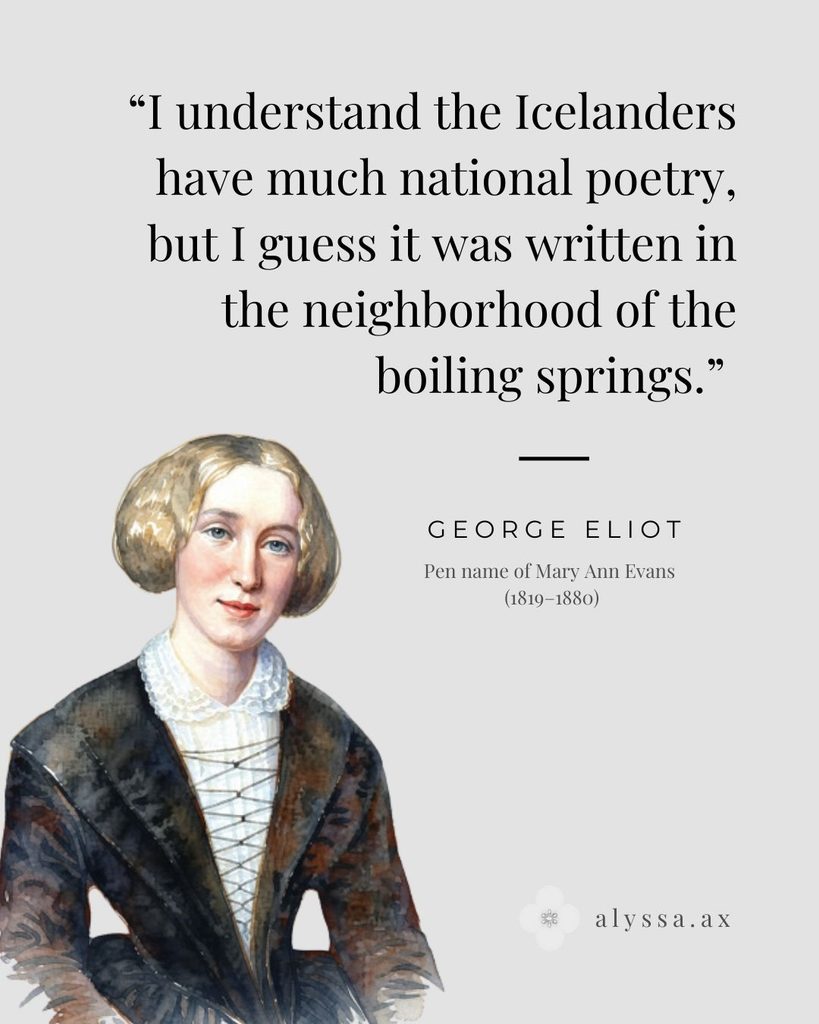
Ten years ago, a welcome banner for Slush, Helsinki’s startup and investor event, read:
Nobody in their right mind would come to Helsinki in November. Except you, you badass. Welcome.
I admire a welcome that begins by questioning your judgement.
For years, Americans have been bombarded with stories about Finland being the happiest country on earth. You would think, after all that publicity, somebody would have mentioned the lighting.
Before we congratulate anybody, I would like to know what month they ran the survey.
The public broadcaster has also considered the conditions. Almost a year ago, I switched on Yle for background noise and discovered a livestream of spaniel puppies, delivered with complete public-service confidence. Puppies as national infrastructure and mass oxytocin doping. Finland’s tax money at work.
But this year the American media finally found the puppies.
CNN has consulted experts. The Associated Press spread the news, with ABC and The Washington Post helping it along. The New York Times took an interest. There was television coverage in Texas, radio discussion in Minnesota, and the Guardian’s report appeared on AOL. A considerable amount of American news infrastructure has mobilised around six small dogs, who are blissfully unaware of the attention.
This year’s puppies are Lagotto Romagnolo, curly-coated Italian water dogs known for hunting truffles. Their mother is Hilkka. Her six puppies have been given Italian names: Bella, Pepe, Dante, Luna, Enzo and Milo.
Yle promotes the programme, now in its sixth season, as bringing joy and light to Finland’s grey autumn. I find this a more persuasive advertisement for the country than the rankings.
The authorities have assessed the weather. Deploying puppies is an entirely proportionate and pragmatic response.
The Good with the Bad
In November, I find myself brooding about the terms of my residence here: what we receive from a place, what living there asks of us, and how much of the agreement we understood when we first arrived.
I have made a life here, with its own attachments and occasions. Yet an old season can still arrive inside me and find that the world outside is observing a different one. After 13 years, belonging and homesickness continue to coexist without settling their differences.
We tend to imagine homesickness as a longing for people or landscapes.
But it can also be a disagreement with the calendar itself.
You can bring the recipe abroad. You cannot pack a table of loved ones debating about whether pumpkin pie or pecan pie is better. Nor can one duplicate the shared expectation of the people around you.
A tradition you thought you possessed turns out to have been partly held for you by others.
The shops knew. The school knew. The neighbours knew.
You were carried towards something without having to arrange every part of the journey yourself.
Then there is the agony of being unable to give your children what you grew up with, and hoping that what you give them instead somehow makes up for it. We adapt, find substitutes for ingredients, assemble new traditions.
Yet after so much time, November still continues to require an immense amount of work.
My children, meanwhile, like our version of Thanksgiving. They can attend in their pyjamas, and we get all the leftovers. They have identified certain enjoyable advantages.
But while I wait for the light to return, my children are getting older. Their childhood memories of home are being made while I brood about mine.
The people I care about do not become less themselves because it is dark outside. Someone has a birthday. Someone needs company. Someone says something I would have been sorry to miss.
This place has acquired enough of my life that even its least persuasive month belongs to my story. I am learning how to live with it when it requires a more generous interpretation. I cannot now pretend that it has given me nothing simply because it has become rather difficult to see it.
Appreciation has never entirely cured me of having opinions. You have probably noticed.
The birches have put in their work for the year and after the weekend winds now stand about naked. Nobody is demanding that they demonstrate a positive attitude. I would like this allowance for seasonal variation extended to the population.
On the whole, I like living here. And flourishing does involve taking the good with the bad.
I would simply like it recorded here that November is the bad.
But at least it comes with puppies.
Comments