



Speech delivered as chair of Ålands Natur och Miljö at the solidarity/climate march in Mariehamn on 7 August 2026.
My name is Alyssa, and today, as chair of Ålands Natur och Miljö, I get to talk about solidarity.
Not a word we carry on a sign and put away when the march is over.
But the kind that follows us home.
Solidarity must name who is harmed and who is excluded.
But I want to begin somewhere closer and more difficult: with the self.
That may sound a bit suspicious.
Does solidarity need more “me, me, me?”
But solidarity is not found in how warmly we shout the word when everyone around us already agrees. It is found later.
In the meeting where one voice becomes inconvenient.
In the budget where care meets math.
In the moment when another person’s dignity asks something of our comfort.
Solidarity means letting other people matter enough to interfere with your life.
And if it never changes a decision, disturbs a loyalty, or costs you time, power, comfort, or certainty—perhaps it is not solidarity yet.
Only sympathy standing at a safe distance.
So, the “I” is where solidarity enters the body.
Changing what I notice.
What I excuse.
What I consume.
What I protect.
What I call reasonable because it has been convenient for me.
And when it is real, it grows hands and moves the world.
This is when solidarity transforms from a value into a discipline.
It reveals where our lives contradict our principles:
When we include someone but refuse to be changed by them.
When we invite their labour but not their truth.
When we praise their courage while depending on their sacrifice.
Sometimes our language arrives before our courage does.
We invite participation after decisions are made, celebrate contribution while leaving the real power where it was.
Our crisis is not just one of carbon, but of relationship: with the Earth, each other, and ourselves.
We are not separate merely because we have been taught to behave as though we are.
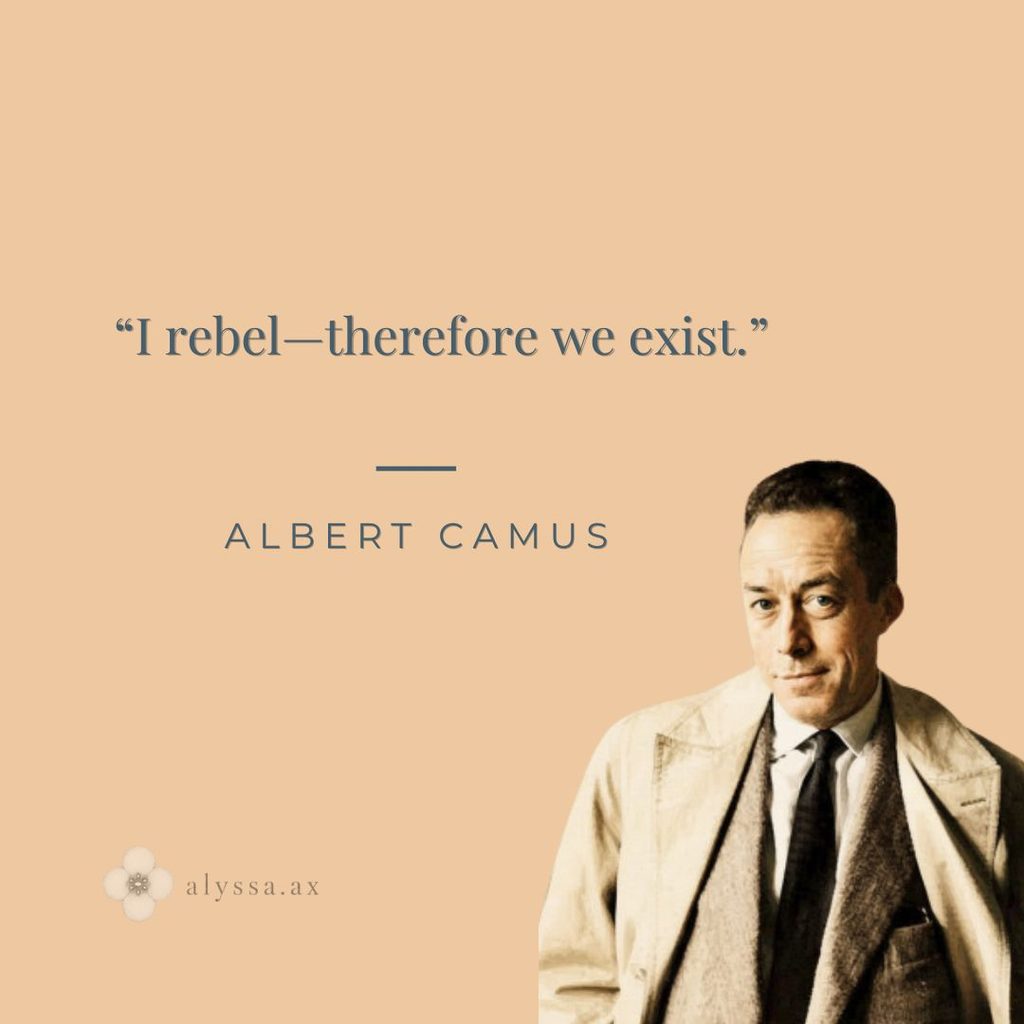
Solidarity asks:
Who is heard early enough to matter?
Who is believed—and who is forced to prove the truth?
Who is protected before the damage, rather than praised for surviving it or mourned after the fact?
Who is allowed to speak fully and still belong?
Who must stay smaller so that everyone else can continue feeling comfortable?
These questions are the very architecture of belonging.
To the young people walking with us today, including those from Regeneration 2030: thank you for refusing to let adults look away.
But grown-ups cannot turn gratitude into another burden.
We cannot praise your courage instead of accepting our responsibility or admire your agency while asking you to wait.
We must never value your contribution more reliably than we value you.
Your hope is not ours to spend while leaving power untouched.
The work must continue.
But the belief that the most caring person gets to be the most exhausted belongs on the compost heap.
Institutions cannot use beautiful words to avoid real commitments. Care must become structure: housing, food, transport, energy, democracy, repair, access, trust.
And when someone says, “This harms us,” solidarity does not answer with a slogan.
It says:
I hear what you say, and it changes what I do.
It follows through.
Now understand that this is not a demand for perfection.
Perfect people are insufferable anyway.
Solidarity is presence: the willingness to listen without immediately defending ourselves, to repair without demanding applause, and to change without pretending it was our idea all along.
The “I” in solidarity is also how we refuse to abandon ourselves.
Do not let anyone call your dignity vanity, your boundaries selfishness, or your unwillingness to betray yourself a failure of solidarity.
A boundary is not a wall against community. Often it is the bulwark that makes honest closeness possible.
In refusing self-abandonment, we honour those before us who were told to endure in silence.
We make room beside us for those learning to speak now. And we leave a wider path for those still to come.
It is sacred work.
Solidarity may cost you something. But it must never cost you yourself.
So the future will not ask whether we were perfect.
It will ask whether we remained with one another.
Did our goodness have consequences?
What comfort did we surrender to make solidarity real?
And when we heard,
That is simply how things are,
did we accept it—
or did we interrupt it?
May we be the interruption in the rooms where decisions are made.
The proof that solidarity can cost us something and still be worth choosing again and again.
Not someday. Not by someone else.
But by us, together.
Comments