
On becoming someone no country knows by heart
On a screen, nearly three decades can be crossed with a movement of the thumb.
There we are then. There we are in Stockholm on Friday. Siry and I, with twenty-seven years since our goodbye in late July 1999 folded into the small space between two photographs.
The faces have changed. What the photographs cannot show is how differently the world looks from behind them.
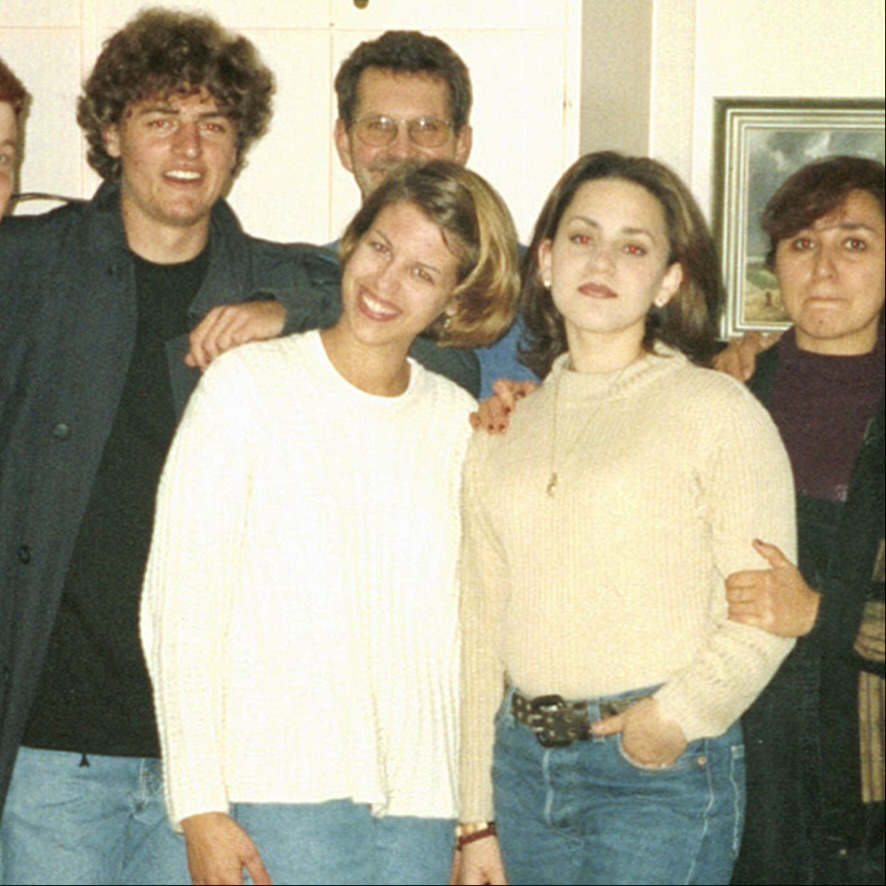
We knew each other at eighteen, when Sweden and our very lives were still opening before us. In less than a week I will be forty-six. Her birthday will follow in November. When I hugged her on Friday in front of the National Museum, I told her how I remembered our last meeting. Me helping her pack her bags in Mariefred. Neither of us wanted to go. I would depart only three days later.
We have kept in touch all that time. For all the evils of social media, in some ways it is a godsend. We did not have to begin with the basics of each other’s lives. The outlines were already familiar. What we could do, sitting together, was give them depth: hear what had happened between the updates, what the things we had watched from a distance had felt like up close.
Real words, in real time.
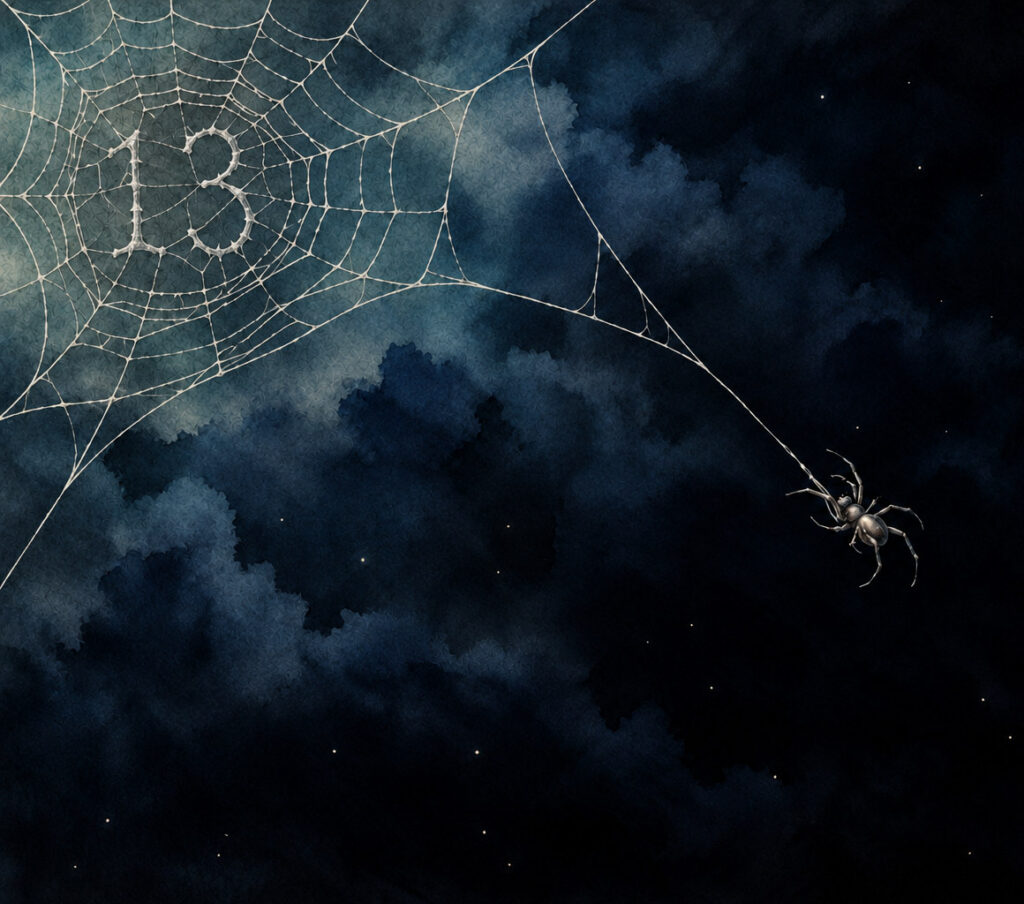
Today, September 27, marks thirteen years since I moved abroad, a departure that falls almost halfway between the young woman she remembers and the one who stood beside her on Friday. I had not expected the arithmetic to feel quite so intimate.
I think we laughed at life more then. There was more room around things, more permission for something to go wrong without its becoming a forecast. I believed in meritocracy with the unembarrassed confidence of someone who had yet to spend decades testing its terms. I thought that if I learned what was required of me and did it well, the world would eventually find a place for what I could offer. Somewhere in that arrangement, I would become settled. Comfortable. Safe.
I understood that effort would be required.
I was rather less prepared for the possibility that effort and acceptance might have so little to do with one another.
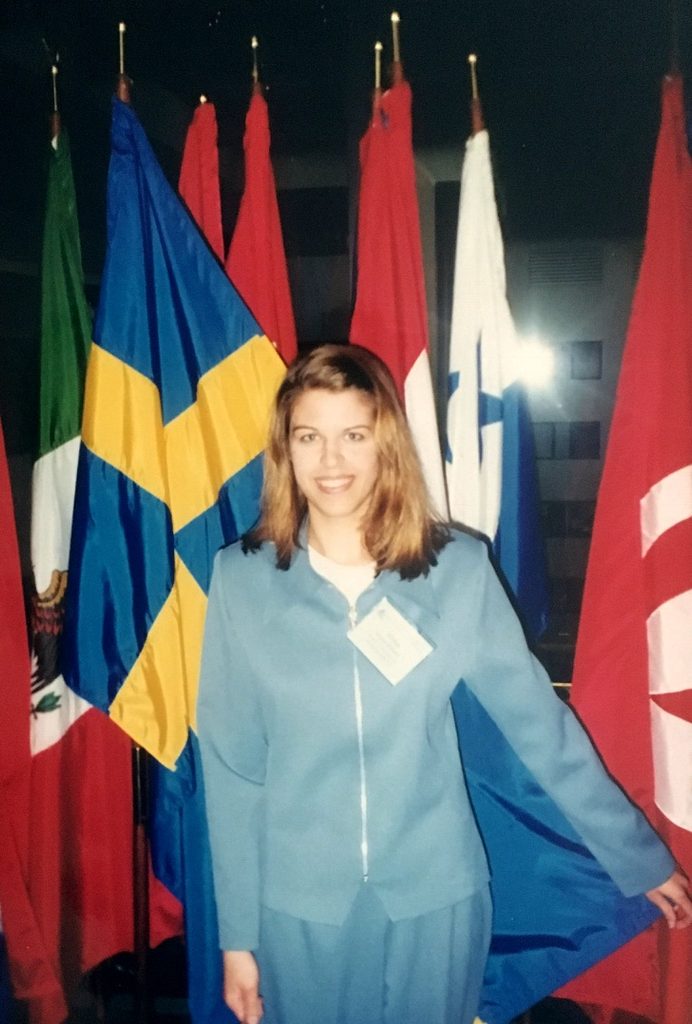
At eighteen, the future was a place I expected to be allowed into.
I found myself explaining Sweden to someone who knew me near the beginning of my acquaintance with it. I spoke about the attitudes towards immigrants and how the country had changed dramatically, not just since 1999 but even since my return in 2013. Of the absence of basic empathy I had felt so sharply during the pandemic, and my difficulty reconciling that experience with that I had once associated with this country. I heard myself describing the distance between a society’s idea of itself and what it can feel like to need something from it.
It is a strange conversation to have with someone who remembers you before you knew how to have it.
How much of that distance has the country travelled, and how much have I? There are changes I have watched happen, and there are things I have learned to see. The two histories overlap. I cannot lay them neatly beside one another and announce which portion of my sadness or disillusionment belongs to Sweden and which belongs to growing older. I know only that I was once able to look towards this part of the world with a confidence I can no longer honestly lend to somebody else.
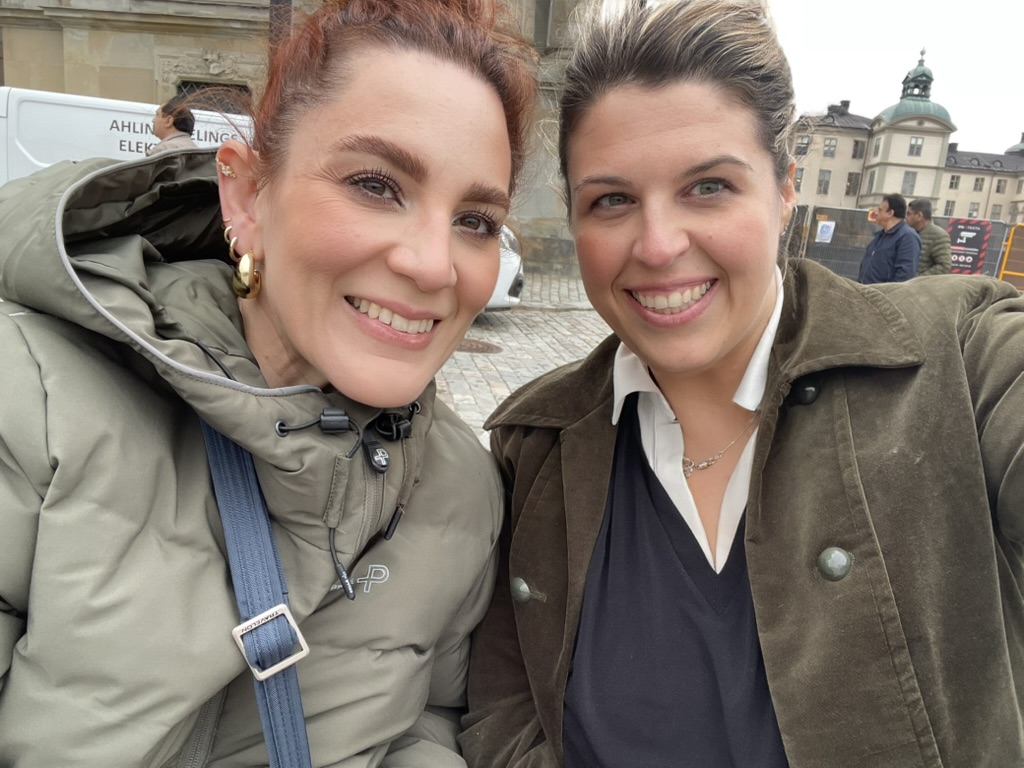
Siry has family businesses in Mexico and also moonlights as a make-up influencer, and our conversation touched on that, too. Many times I have kept in touch by simply watching her get ready for her day and picking up some tips myself. We talked about my life as of late, how weird it has become. I mentioned the possibility of writing a book, as many have encouraged me to do, and I firmly said that I would not want to mislead people.
There is a version of life abroad that arranges every difficulty into a story about how worthwhile it all became. Even loneliness is permitted, provided it eventually produces a sufficiently attractive revelation.
I have become deeply suspicious of the requirement that suffering should finish by recommending itself.
Some things have made me wiser and sadder at the same time. The wisdom does not reimburse the sadness. I refuse to pretend it does.
As we sat in Gamla Stan, Siry told me that coming back to Sweden had finally brought her a sense of peace. I recognised what she meant. I had made that journey in June 2000, less than a year after leaving, having saved feverishly from two part-time jobs alongside my full-time studies to pay for two weeks over Midsommar.
My return to the United States after our exchange year had been brutal. People were pleased to see me, expecting the familiar girl to resume her familiar life. I had come back carrying something I could scarcely explain, and there seemed to be nowhere to put it. Sweden was supposed to become a collection of photographs, a few stories, an interesting thing I had once done.
Instead, it had altered the person expected to tell them. The old Alyssa never reappeared.
Going back in 2000 reassured me that I had not imagined it. The old roads were there. Familiar faces. The language was still somewhere in my mouth, waiting to be spoken. I could return to that part of my life; leaving had not erased it. When I flew back to the United States, I felt whole again. I knew I could return. It remains the best trip I have ever taken.
I understood the peace she described because I remembered its arrival in myself. And yet, looking across the years now, I think I have lived in some degree of culture shock ever since. There have been moments of recognition, relief, even that feeling of wholeness. There has also been the persistent work of reconciling what a place means to me with what it permits me to be.
Siry has good reasons for wanting to leave. She spoke about the news coming out of Mexico during her trip, including the reports from Zacapu, and the violence that shadows the future she imagines for her sons. Her eldest is grown; the younger is in his late teens. She too has dreamed of returning to Sweden. As far as I know, none of the others in our exchange cohort has expressed quite the same enduring longing.
She was looking towards Sweden for safety. I had left it in 2020 when I could no longer trust its institutions to help me protect my children during the pandemic. What she hoped to find there was something I had once believed I could count on.
Nor would the same longing carry us across the same borders. I had arrived with a husband carrying a Polish passport, a three-year-old, a dog and a cat. I and our children had the protection of our family’s legal position. Hers could not simply be assumed to have the same. I spoke about Sweden’s teenage deportation cases, about young people whose right to remain with their families had become uncertain as they reached adulthood. The question of safety included whether a family could build a life together and be allowed to keep it.
I reminded her, too, that when we were Rotary exchange students, a framework had been assembled around our arrival. Where we would live, where we would go to school, whom to contact if we needed help. We were young and healthy enough to give healthcare very little thought. Much of the machinery of ordinary life could remain out of sight.
Returning with a family brought that machinery sharply into view. Healthcare and daycare became things I had to understand and arrange. Other people depended on my ability to make a day work, to turn our arrival into a life. I could speak the language and recognise the streets while still being bewildered by what was required of me.
I could recognise her peace without treating it as a promise. What could I tell her, then, with all those years between us?
That a place can change you profoundly while remaining uncertain what to do with the person you become.
That learning its language allows you to understand more of what is being said, including the things you once had the luxury of missing.
That you may come to know a country intimately and still find intimacy travelling largely in one direction.
I would want anything I wrote to make room for that. Someone reading it with the openness I had at eighteen deserves more than a beautiful account of elsewhere.
Thirteen years. My life abroad has only reached its adolescence. It is old enough to question the promises with which it was raised, and apparently still too young to be entirely certain what it is going to be.
For a long time, I understood settling as something time and effort would accomplish between them. The unfamiliar would become familiar; familiarity would thicken into belonging. I could do my part. Surely, eventually, there would be a point at which being here ceased to require quite so much explanation.
Yet familiarity can accumulate without that other change taking place. You learn the turns in the road. You begin to measure your life by events that happened here. The years acquire local names, and you discover that knowing where you are is different from knowing where you stand.
Six of my thirteen years abroad have been spent on Åland.
If I am still here next year, it will be seven of fourteen. Half my life abroad will belong to this island. There is something unsettling about being able to calculate a place’s share of your life so precisely while remaining unable to say what place you have in its life.
Exile changes with time.
In the beginning, there are recognisable things to miss, distances that can at least be measured. Then the places you carry begin to depart from the places themselves. Life continues at home without your supervision. It continues where you have gone, too. The person who might once have fitted easily into one place has acquired habits of thought and ways of seeing that belong to several.
I have become a particular mixture. I value her. I would not willingly surrender what these years have allowed me to understand, even when understanding has been expensive.
But there is no country to which I can point and say: this is where the whole of me is ordinary. That country does not exist.
And I do not want to spend the rest of my life taking myself apart to discover which pieces might be acceptable where.
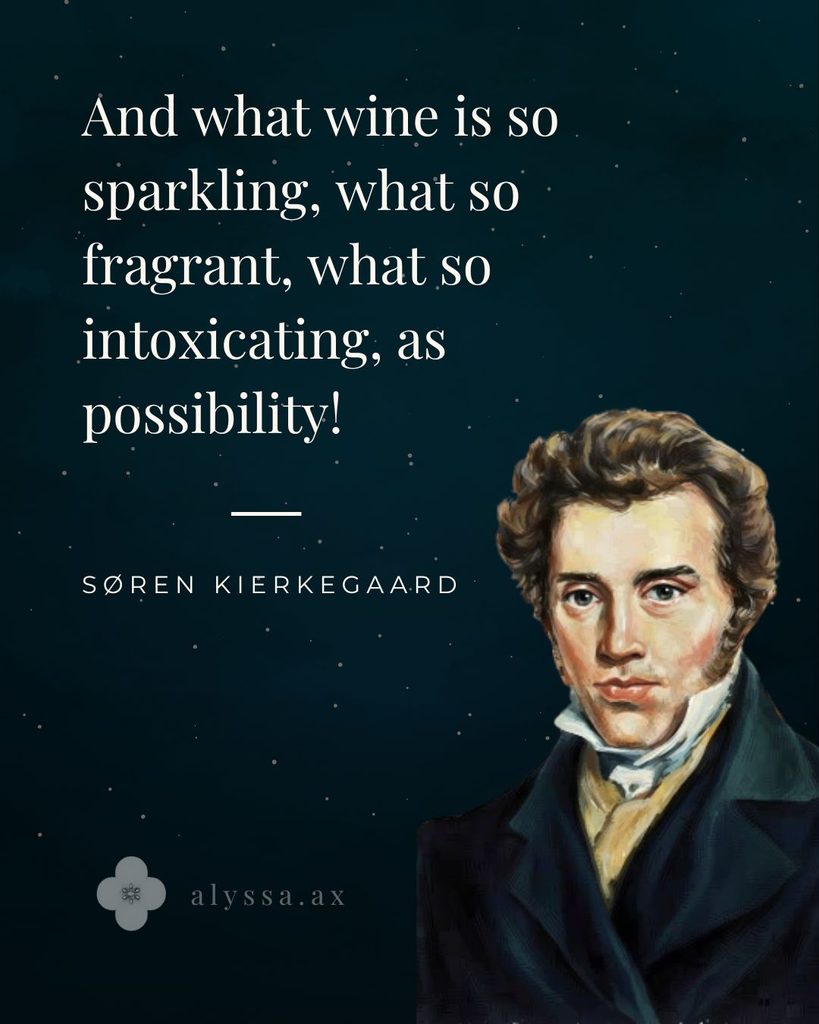
There is a passage in Søren Kierkegaard’s Either/Or, Part I, “Diapsalmata” (1843) that comes closest to my feeling:
What is to come? What will the future bring? I do not know; I have no inkling. When a spider hurls itself down from a fixed point into its consequences, it always sees an empty space ahead, where it can find no footing, however much it flails. So it is with me: always an empty space ahead; what drives me forward is a consequence lying behind me. This life is backwards and dreadful, unbearable.
I recognise the reaching intimately. The fixed point recedes, and still the consequences arrive. A decision made by an earlier self continues to shape the circumstances of a woman who knows things that earlier self could not have known. There is no way to send the knowledge back in time.
There is only the possibility of deciding what to do with it now.
The space ahead felt different at eighteen. I filled it generously. There would be work worth doing and people to do it with; the opportunity to become useful would carry, somewhere within it, the possibility of being welcome. I thought the world would grow more habitable as I learned how to inhabit it.
Now I know how much can depend on other people’s willingness to make room. However diligently a person reaches, she cannot manufacture the other side of a relationship.
Looking at older photographs, I feel tenderness towards the woman who had not yet learned this. I remember the ease with which she could imagine a future. I wish I could borrow some of that ease without having to relinquish everything I have learned since.
Still, I hesitate to call all her hope naïve. She was mistaken about how reliably the world would honour certain things.
She was wholly right to think them worth honouring. I have spent nearly twenty-eight years learning the difference, and I would hate to confuse growing wiser with lowering my expectations of how human beings ought to treat one another.
Perhaps this is what I can offer Siry, or anyone who might one day read that book: an account honest enough to leave their own judgment intact. I can tell them what it has cost me, and what I value in the woman who has emerged. The decision about what that means for their lives belongs to them.
Mine is still being made.
I will soon be forty-six. The woman in the newer photograph has more to bring to a place than the teenager in the older one could have imagined. I want her to have a future in which those years become useful to something beyond explaining how she came to be this way. I want to know what she might do, and how freely she might laugh, with a little ground beneath her.
Thirteen years into elsewhere, I know more about the world into which I reach.
I would still like it to reach back.
Comments