
On stopping, listening, and returning to yourself
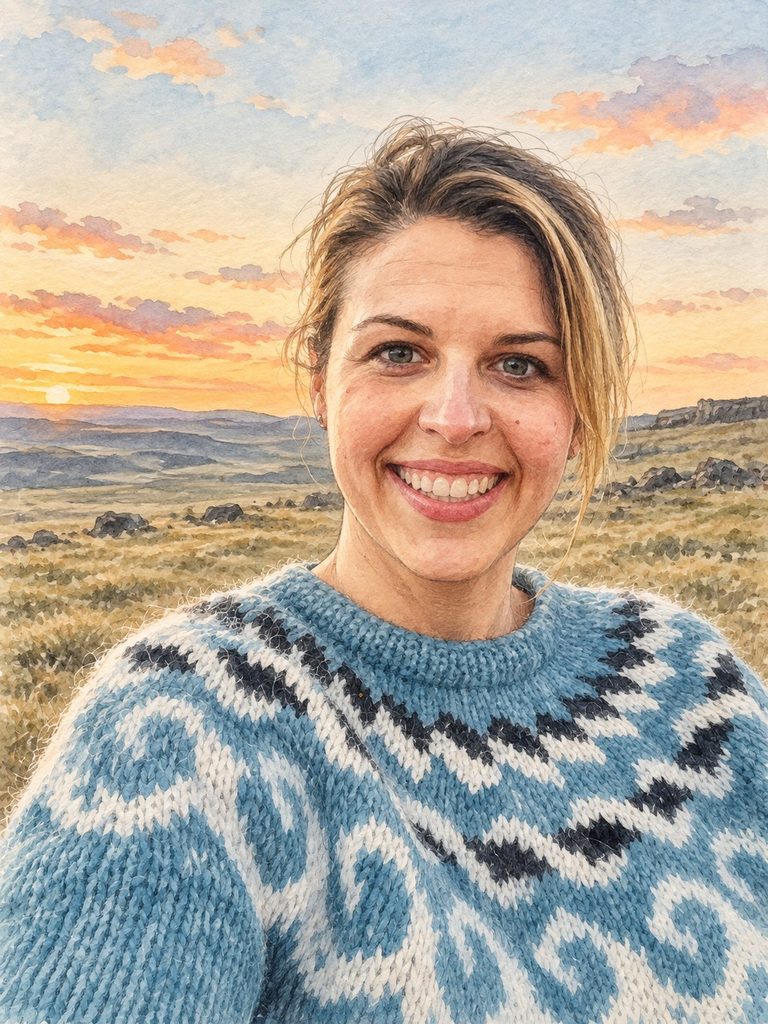
After our first full day in Iceland — travel, tours, presentations, dinner, a little wine, and the particular looseness that comes when Nordic colleagues have spent enough hours together to become slightly less Nordic— we all went for a sunset walk.
It was nearly 11 p.m.
It was also nearly 2 a.m. in Finland.
My body knew this even if the Icelandic sky did not.
We walked almost the whole way, climbing towards the place where everyone else was going, until I saw a rock beside the path and had the sudden conviction that this was far enough.
Not the highest place.
Not the grandest view.
Just enough.
Actually, I think I’ll stay here
I said, and sat down on a rock.
There was a small private hunger beneath that plain sentence.
I wanted quiet.
I am deeply ambiverted. I love people, sometimes extravagantly. I love conversation, ideas, laughter, the peculiar intimacy that comes when a group has spent a long day learning together.
And then I need the world without people in it for a little while.
I need the room after the room.
The silence after the sentences.
The place where the self comes back from all the small performances of being social, competent, responsive, translated.
After a few rounds of:
You sure?
You feel okay?
I assured everyone that I did. They continued uphill.
Their voices faded slowly.
First conversation.
Then fragments.
Then distance.
And when the quiet took over, I realised it was not quiet at all.
That was the first correction.
There was no silence — only the end of human noise.
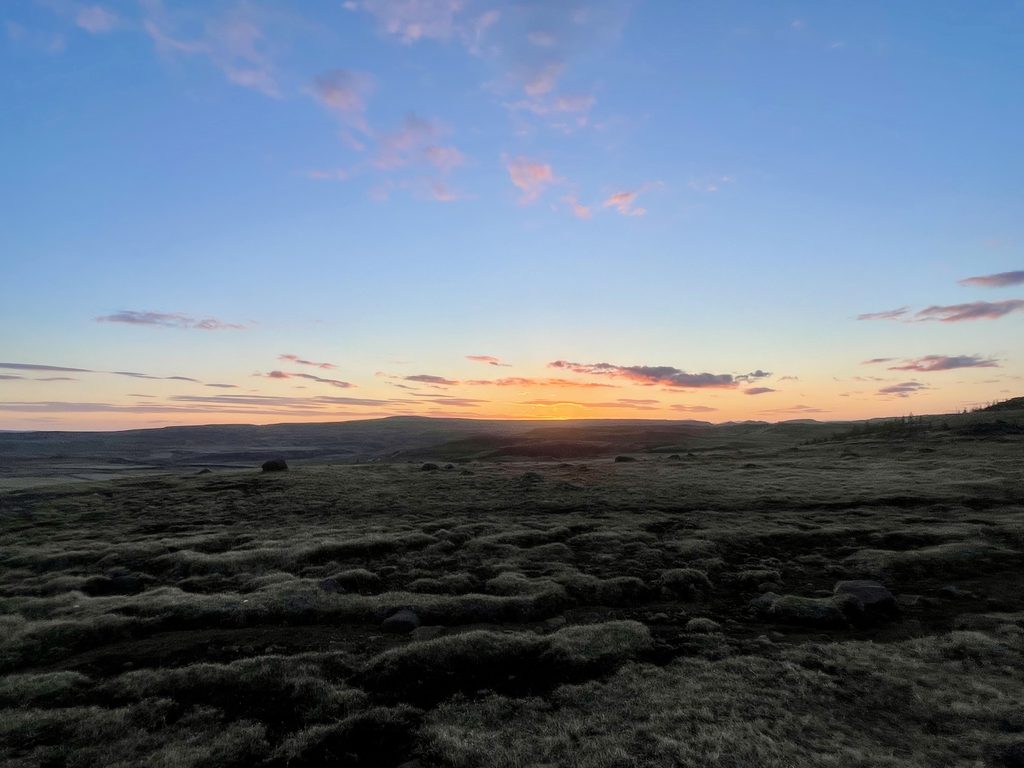
Once I began to listen, I could distinguish at least seven different bird calls. One bird repeatedly dove towards the ground for its supper. Wind moved through the grass. The earth smelled damp and intensely alive.
Moss.
Maure.
Icelandic horse.
Stones under my feet and under my body.
Small wildflowers beginning to appear—not yet abundant, but certain in the way small things are when they return.
To the west, the Icelandic sunset stretched itself across a sky that seemed unwilling to become night.
To the east stood Hekla, one of Iceland’s most active volcanoes, once imagined as a gateway to Hell.
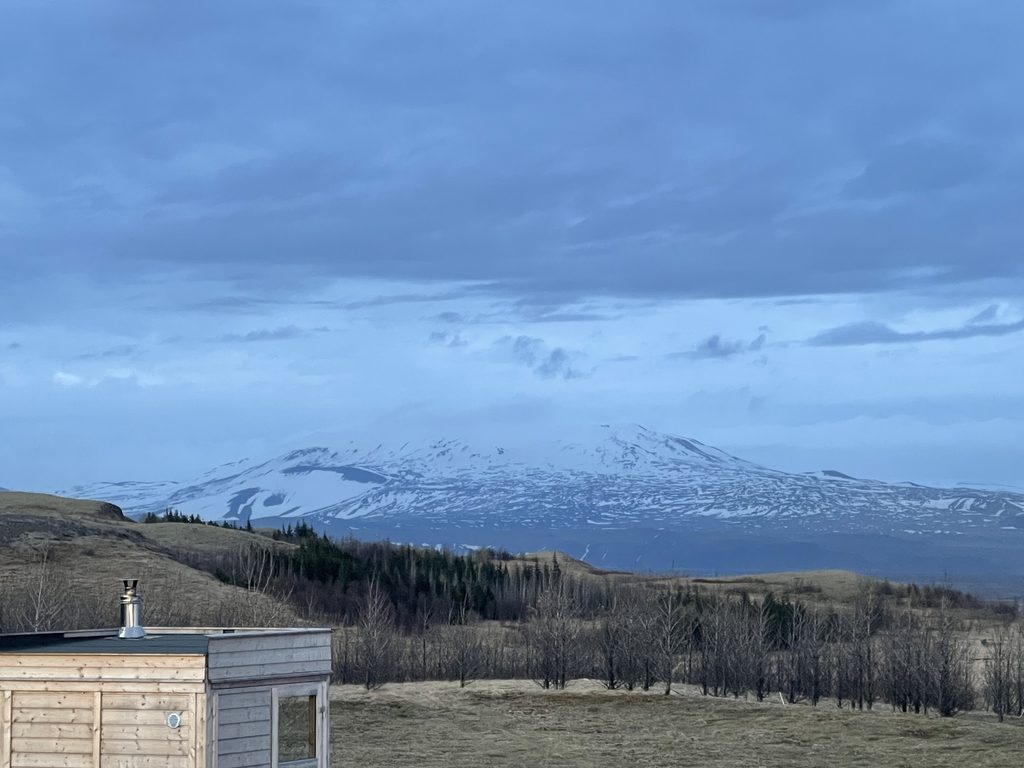
I sat between them.
One fire leaving the sky.
Another sleeping beneath the Earth.
For now.
There was something oddly reassuring about that arrangement.
I was not resolved.
I was not triumphant.
I had not crossed some invisible threshold into the person who had finally understood what everything meant.
Nothing I had been carrying had disappeared simply because I had sat down on a rock in Iceland.
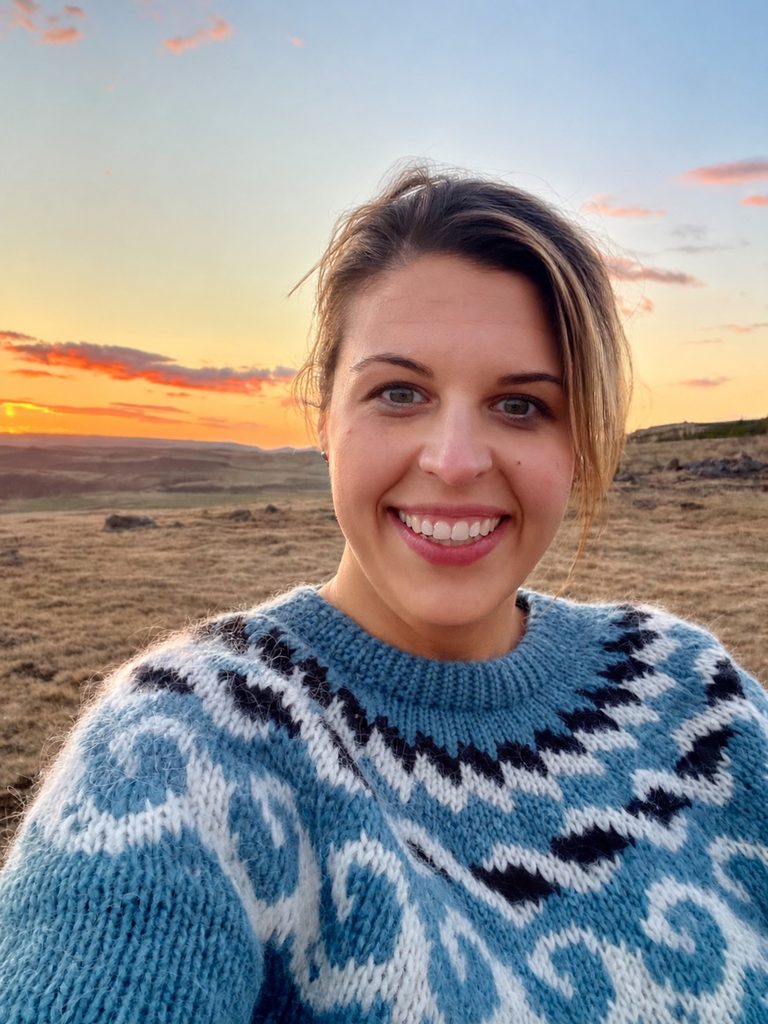
But I was there.
And, gradually, the stress began leaving my body in layers.
Not because anything had been solved.
Not because life had suddenly become kind in the tidy way people sometimes mean when they promise that everything will work out.
It happened because the world had become larger than the problem.
And my body remembered before my mind did.
That is one of the mercies of the living world: it does not always comfort us by becoming gentle.
Sometimes it comforts us by becoming undeniable.
Iceland is extraordinarily beautiful, but not in a polished way. It is too young for that. Too exposed. Too willing to show its workings.
Rock.
Weather.
Animal.
Pressure.
Water.
Moss.
Fire.
Nothing hidden particularly well.
Nothing pretending not to have come from rupture.
I know from my upbringing that mountains are not scenery there so much as evidence. Lava fields do not allow the fiction that landscapes simply appeared finished. The earth looks unfinished because, of course, it is.
And so are we.
I had been living through a season in which an extraordinary amount of energy had gone into language: explaining, documenting, clarifying, arguing, translating experience into something other people might recognise as legitimate.
There are periods of life when sentences become tools.
And then there are periods when they become labour.
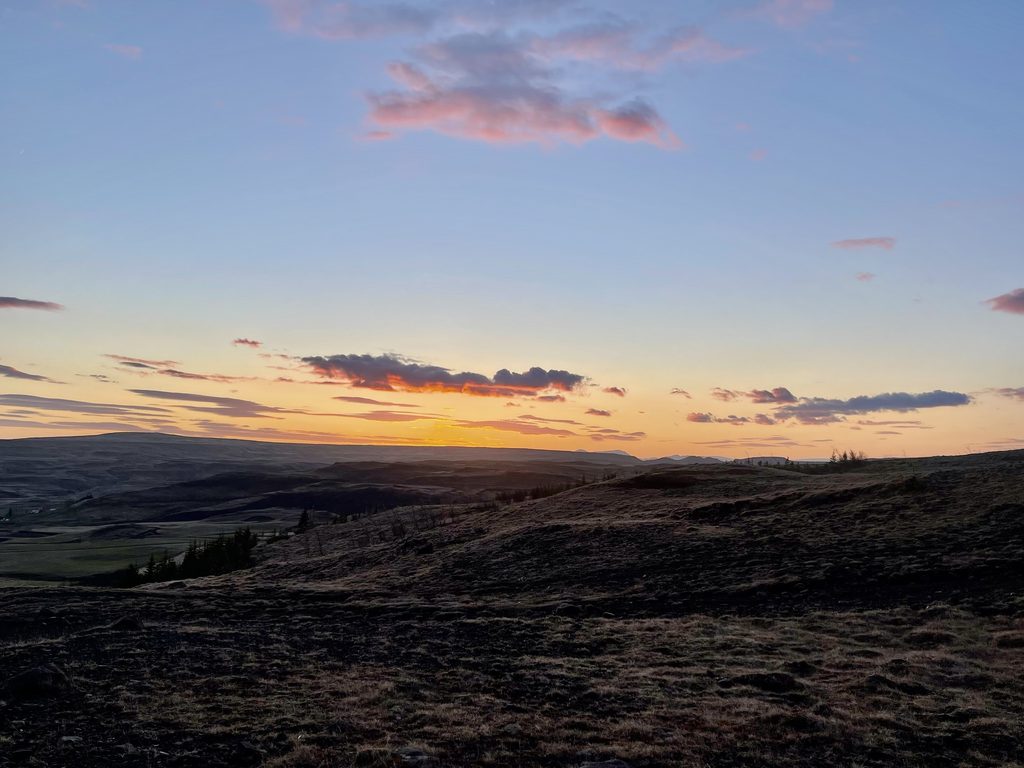
Sitting there, after a very long day and perhaps a very long season of needing language for things that should not have required so much explanation, I felt the relief of a world that did not ask me for another sentence.
The birds did not require a statement.
Hekla did not require supporting documentation.
The moss did not need me to explain how I had arrived there.
Nothing asked me to defend my place in it.
Nothing asked me to be coherent, strategic, generous, careful, impressive, resilient or understood.
The world simply went on being itself.
And, just for once, so could I.
Only later did I realise that I had stopped before two different things.
I had stopped before the highest place.
But also, I had stopped before the old demand to keep climbing.
The assumption that the best experience must be farther up.
That if there is another hill, another view, another accomplishment, another answer, another proof, then obviously one ought to continue.
We live inside that logic so thoroughly that stopping can look like failure even when nothing has been lost.
I had not reached the summit.
I had not even tried.
I had found a rock, sat down and listened until the world became audible again.
Sometimes the world brings you back to yourself not by answering you, but by outlasting the noise.
Eventually, the others came back down. They were happy. They had seen something beautiful.
You missed a great view
someone told me.
Ah,
I said,
but I think I got the premium experience with the silence.
We chuckled.
It sounded like a joke.
But I had meant it.
My view had not been higher.
It had been closer.
To the birds.
To the earth.
To the sleeping volcano.
To the strange northern light refusing to disappear.
And, for a little while, to me.
That was what mattered.
Comments