
The Possibility Tax
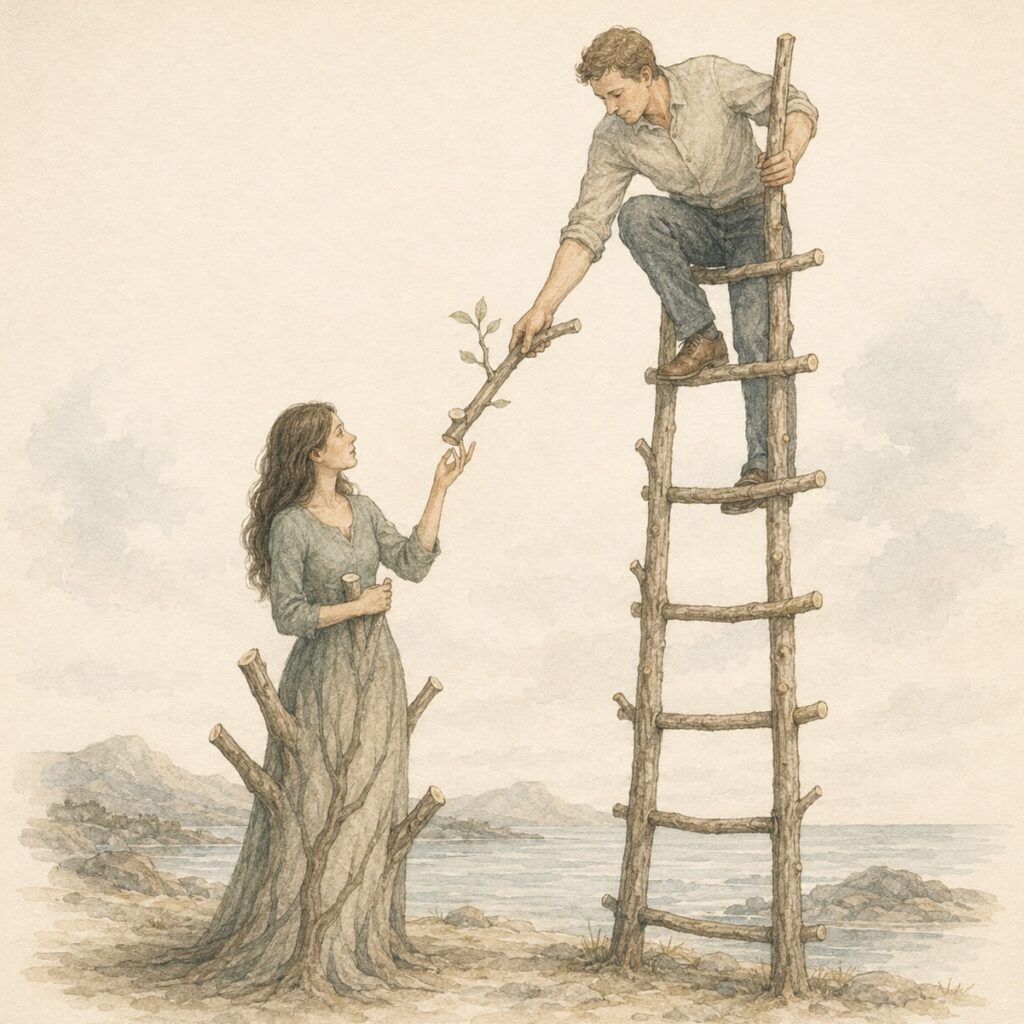
A boundary framed as self-doubt allows the other person to retain his dignity. But it also allows him to continue negotiating. And that is the trap.
A boundary framed as self-doubt allows the other person to retain his dignity. But it also allows him to continue negotiating. And that is the trap.
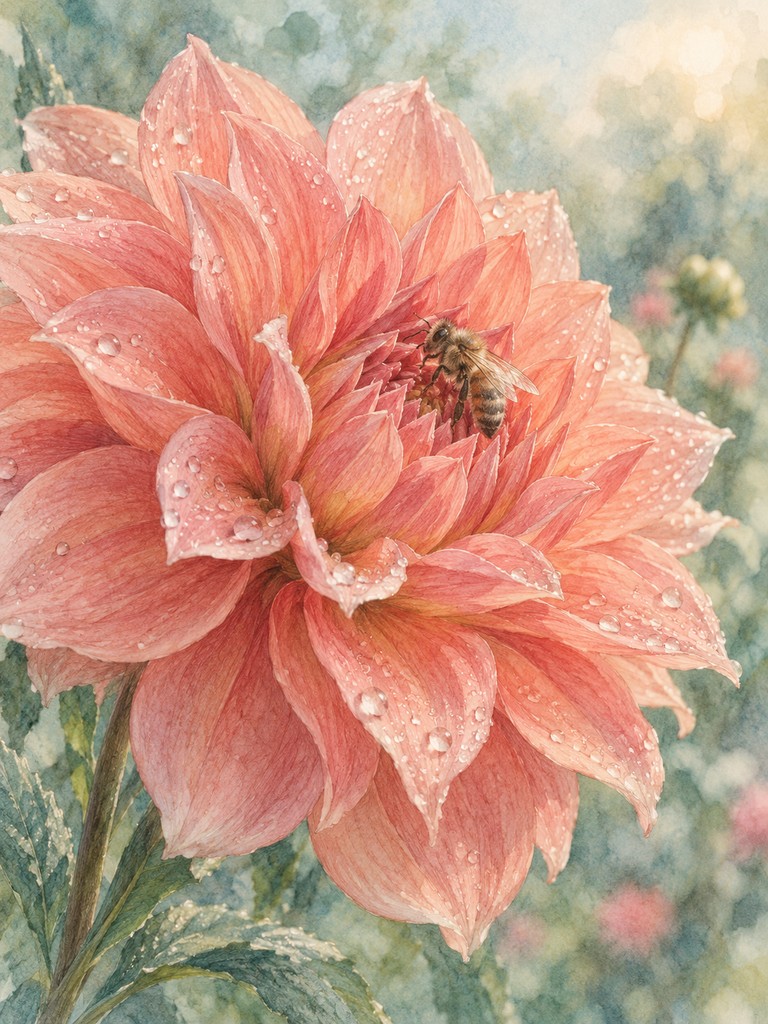
A missed bus gave us an unexpected morning together, a field of dahlias, and one magnificent flower already occupied by a bee. After twenty-one years of marriage, perhaps love is partly this: thousands of ordinary acts, and knowing what to do with the time life unexpectedly gives back.
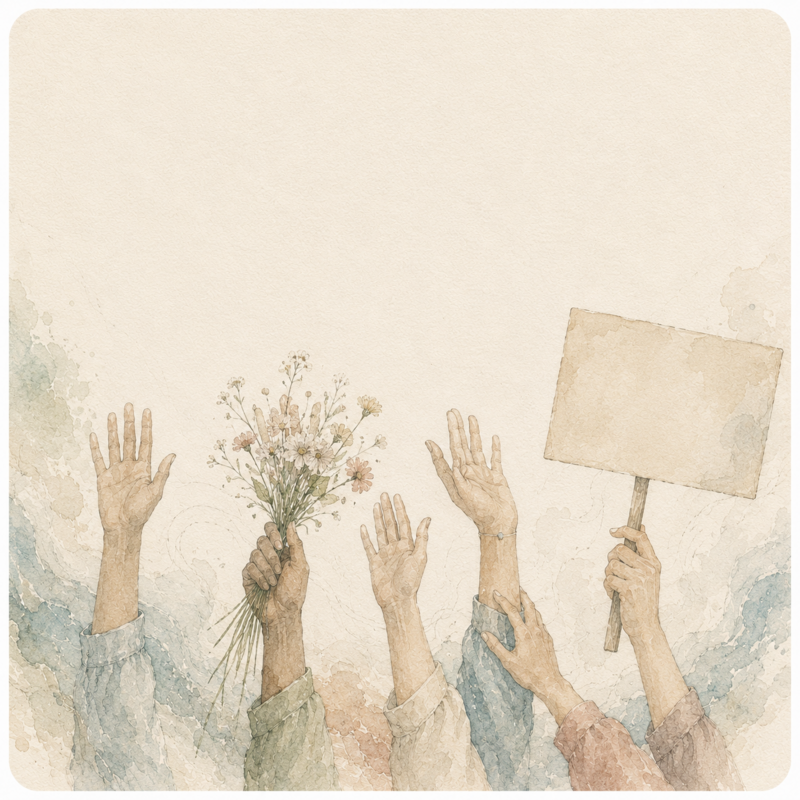
Other people have a way of ruining the tidy versions of ourselves. They bring histories we did not inherit, needs we did not anticipate, and truths that rearrange the furniture. It is one thing to imagine a world with room for everyone. It is another to stand beside someone when doing so changes where you are welcome.

Trust is not something the public owes institutions. It is built—or squandered—through repeated encounters with power. In a small society, everyone may know everyone. That is precisely why the standards should be higher.
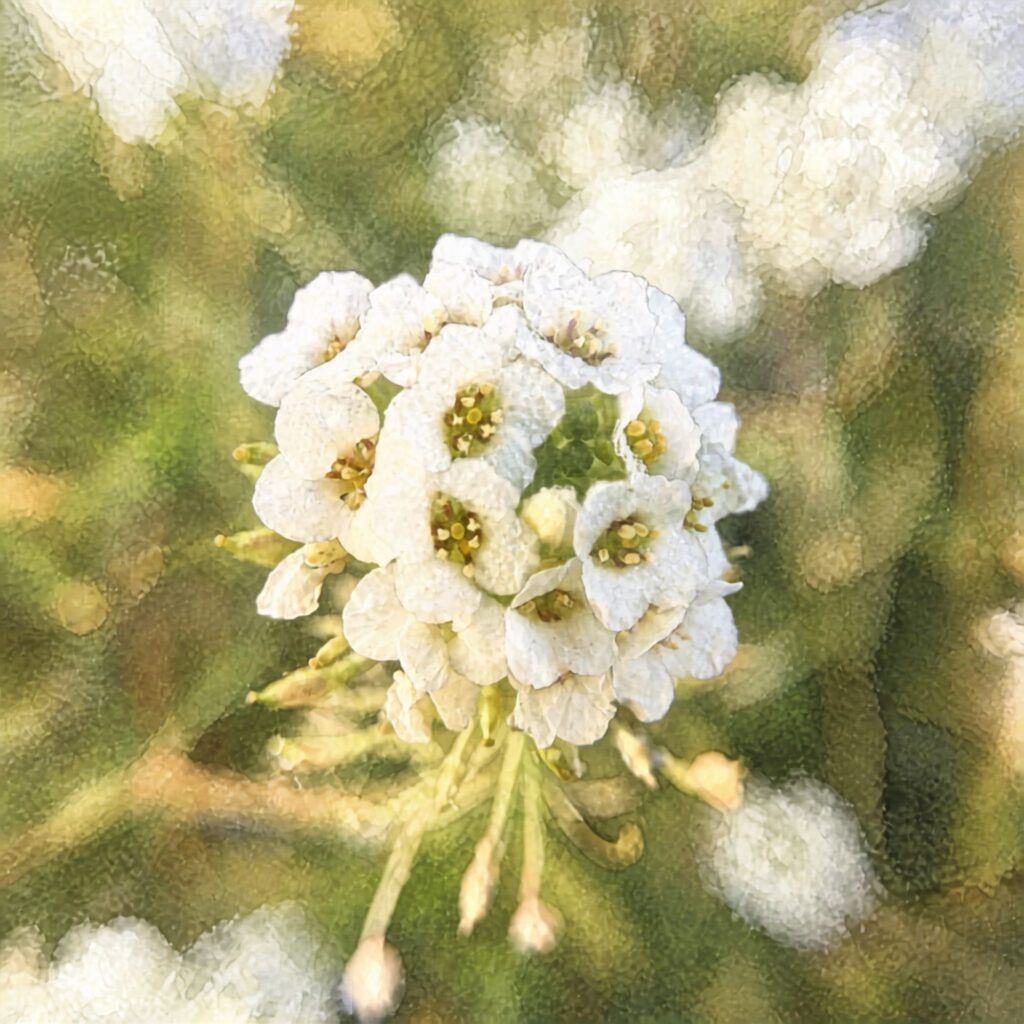
We bring flowers to one another knowing they will fade, and we plant gardens that may outlast us. Both gestures carry something of the same wish: that there should be beauty in someone’s days, that something we have tended might go on giving pleasure beyond the time we have with it.
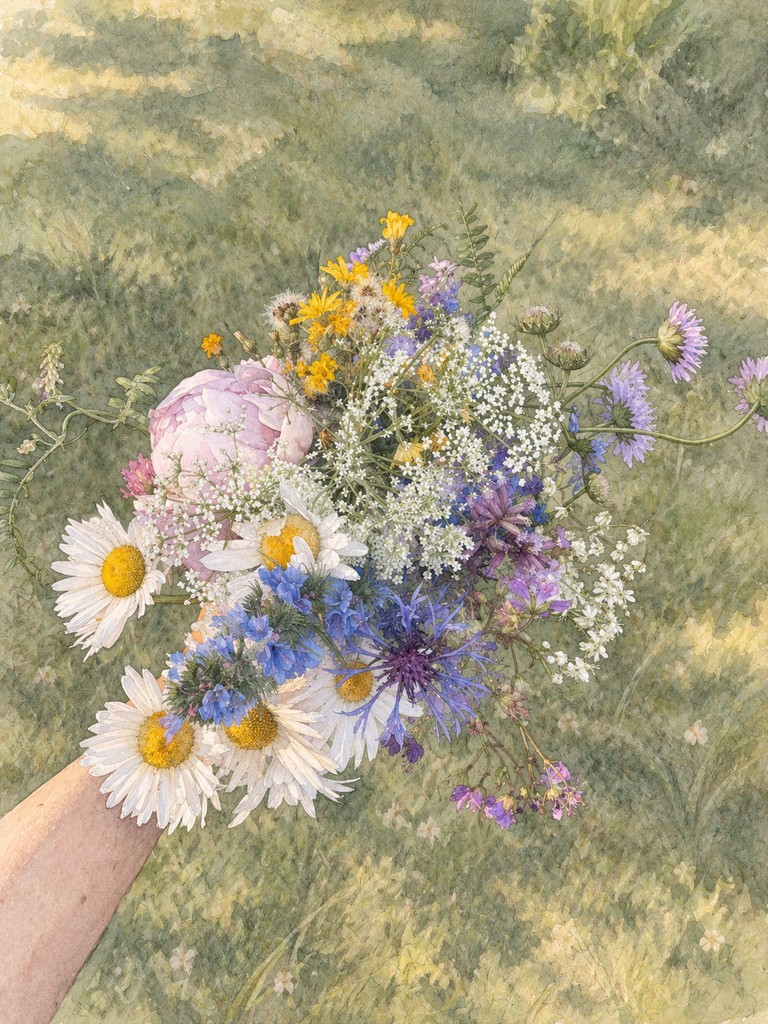
A flower is not merely decoration. In Emily Dickinson’s hands, bloom is result: the visible outcome of timing, endurance, hidden conditions and everything that had to hold before becoming could appear. At Midsommar, her poem arrives for me with thread, inheritance, memory — and the women who left something behind by hand.
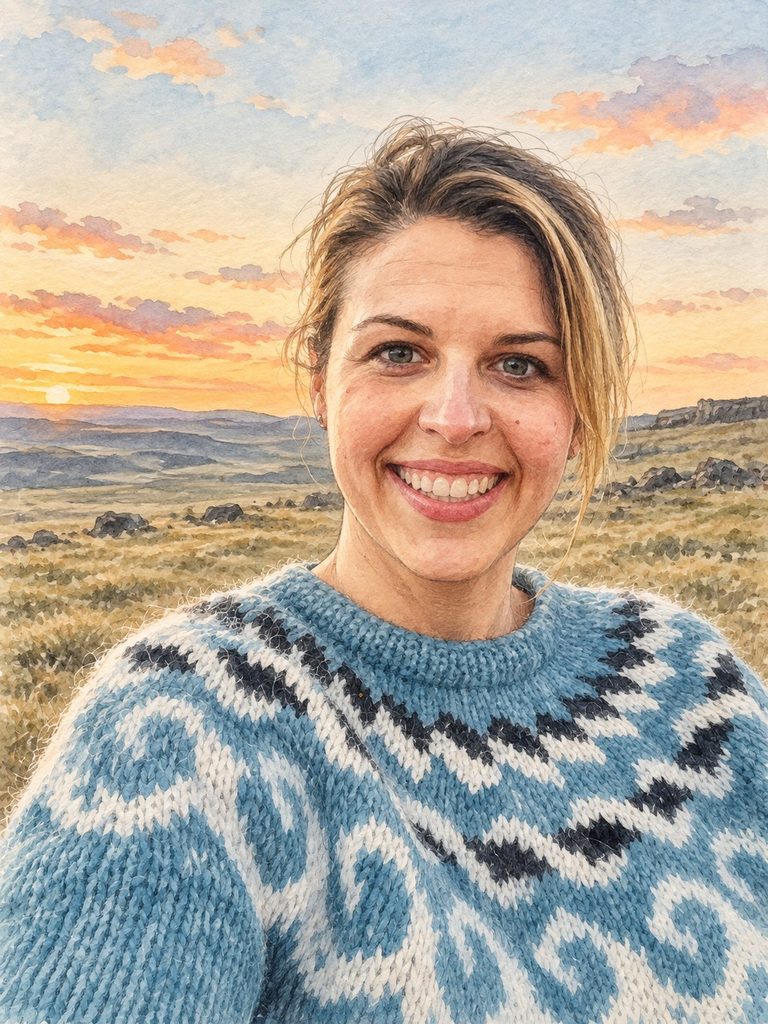
There are moments we remember not because they changed what came next, but because they briefly returned us to a scale larger than whatever was closing in. I did not yet know what the following days would bring. I only knew that, for one Icelandic evening, nothing required an argument from me, and the world was vast enough to hold what I could not yet name.

Coming second after an eight-year head start is an unusual basis for a victory speech. A reflection on what happens when generosity becomes an entitlement, someone else’s work becomes an institutional achievement, and the language of human flourishing provides remarkably good cover for making its structurally-vulnerable author disappear.
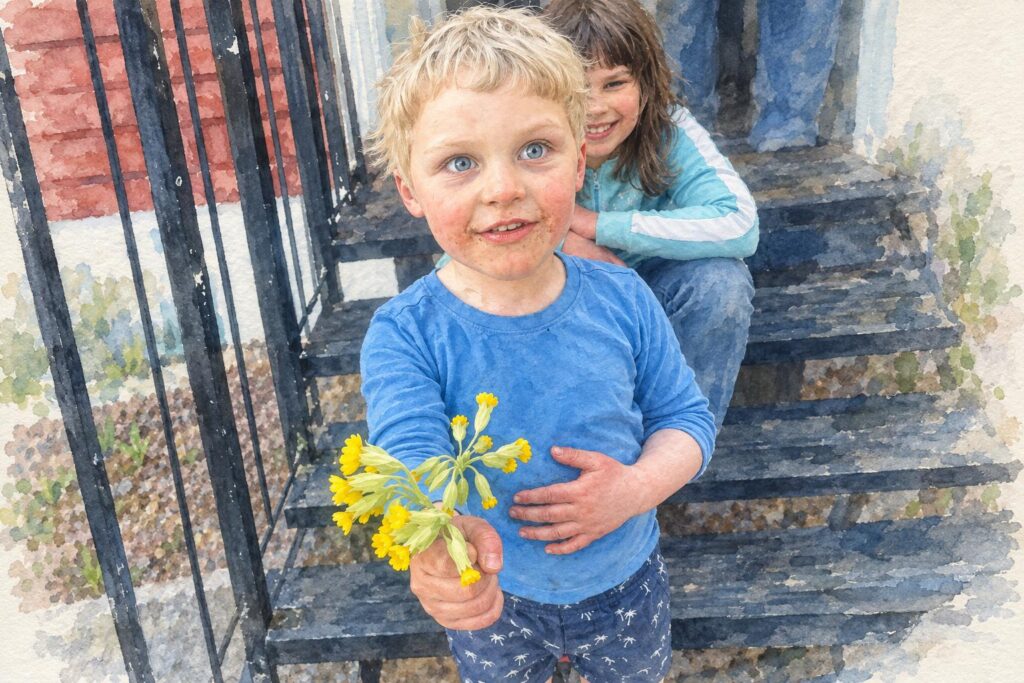
A child brings his mother cowslips. In the middle of a struggle over authorship, a small gift becomes a witness to what is rooted, what is living, and what remains one’s own.