
Trust is Society’s Memory
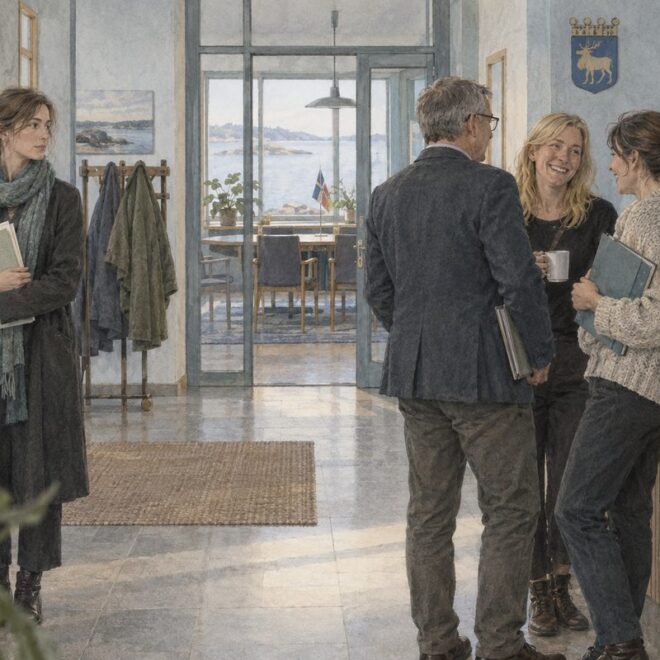
Trust is not something the public owes institutions. It is built—or squandered—through repeated encounters with power. In a small society, everyone may know everyone. That is precisely why the standards should be higher.
Trust is not something the public owes institutions. It is built—or squandered—through repeated encounters with power. In a small society, everyone may know everyone. That is precisely why the standards should be higher.
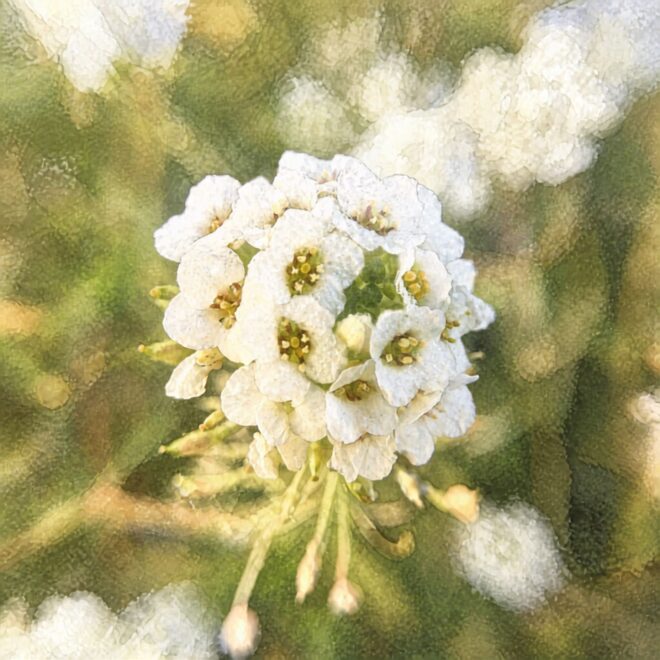
We bring flowers to one another knowing they will fade, and we plant gardens that may outlast us. Both gestures carry something of the same wish: that there should be beauty in someone’s days, that something we have tended might go on giving pleasure beyond the time we have with it.
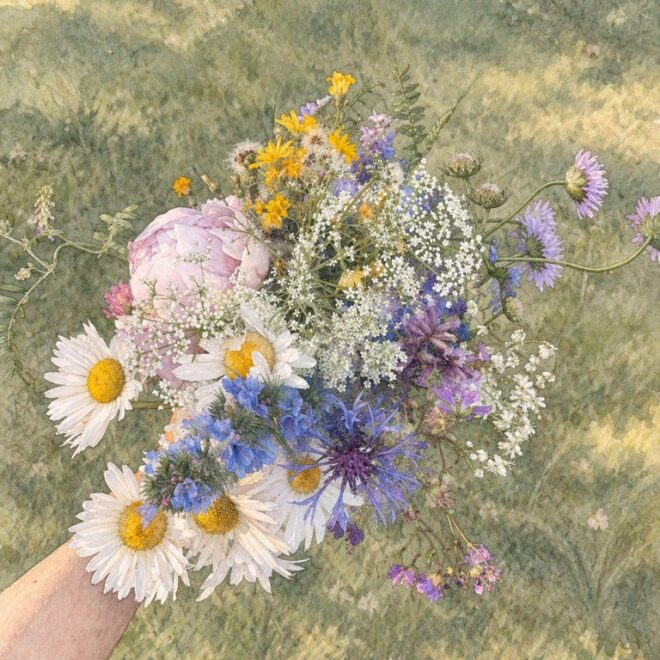
A flower is not merely decoration. In Emily Dickinson’s hands, bloom is result: the visible outcome of timing, endurance, hidden conditions and everything that had to hold before becoming could appear. At Midsommar, her poem arrives for me with thread, inheritance, memory — and the women who left something behind by hand.

There are moments we remember not because they changed what came next, but because they briefly returned us to a scale larger than whatever was closing in. I did not yet know what the following days would bring. I only knew that, for one Icelandic evening, nothing required an argument from me, and the world was vast enough to hold what I could not yet name.
Coming second after an eight-year head start is an unusual basis for a victory speech. A reflection on what happens when generosity becomes an entitlement, someone else’s work becomes an institutional achievement, and the language of human flourishing provides remarkably good cover for making its structurally-vulnerable author disappear.